Nepal’s Two-Pilot Mandate: How to Earn Your Helicopter CPL & Launch Your Career
Regulatory & Legal Disclaimer: Aviation licensing rules, visa policies, and school validation lists are subject to periodic updates by regulatory authorities. Always verify current requirements directly with the Civil Aviation Authority of Nepal (CAAN), U.S. Citizenship and Immigration Services (USCIS), and your Designated School Official (DSO) before making financial or enrollment decisions.
If you have been dreaming of flying helicopters over the Himalayas, the timing has never been better. A major regulatory shift by the Civil Aviation Authority of Nepal (CAAN) is reshaping commercial rotary-wing operations across the country—creating a direct, structural surge in demand for qualified helicopter pilots.
At the same time, choosing where you earn your Helicopter CPL will determine whether you return to Nepal ready to take advantage of these openings or struggle to meet operator minimums.
Why Helicopter Pilot Demand in Nepal Is Growing
In Nepal’s rugged Himalayan terrain, helicopters are an essential lifeline for tourism, rescue, cargo, and remote connectivity. Most commercial rotary-wing operations in the country rely on single-engine turbine helicopters—especially the Airbus H125 (AS350 B3e).
To strengthen flight safety in challenging mountain weather, the Civil Aviation Authority of Nepal (CAAN) has enforced strict two-pilot (dual-crew) operational directives for helicopter flights—mandating two pilots during the monsoon season and advancing broader year-round two-pilot rules for passenger-carrying single-engine helicopters.
How This Rule Changes Your Career Outlook
- More Co-Pilot Seats: Flights that previously required a single captain now require a second pilot in the cockpit.
- A Clearer Path to Captain: As CAAN Information Officer Gyanendra Bhul and senior captains have noted, dual-pilot operations reduce single-pilot workload while allowing junior pilots to log vital mountain hours needed for promotion to Pilot-in-Command.
- Higher Hiring Standards: Even as demand grows, operators expect newly hired co-pilots to arrive with strong instrument discipline, mountain-flying awareness, and substantial logged flight hours.
Your 4-Step Roadmap From Zero Hours to Helicopter CPL
Becoming a licensed commercial helicopter pilot takes structured planning before you ever board a flight out of Kathmandu. Follow these four stages in order to protect your time and budget:
- Step 1 — Pass the Mandatory COMPASS™ Aptitude Test: Clear CAAN’s required pilot screening before applying for your No Objection Certificate (NOC). SAC is a licensed COMPASS™ test centre, and our COMPASS™ familiarisation session covers what the test measures and how the day runs. Learn what COMPASS measures in our guide: What is COMPASS™? A Complete Guide for Aspiring Pilots in Nepal.
- Step 2 — Build Your Ground Foundation for Free: Skip expensive private ground classes in Kathmandu. Every approved flight school includes full ground school inside its tuition—instead, use SAC’s free Pre-Flight Academy to master aviation basics before departure (which covers aviation jargon, navigation, METAR/TAF weather reports, and principles of flight at zero cost.). Prepare at your own pace.
- Step 3 — Train at a CAAN-Validated Helicopter School: Verify active approval on CAAN’s official ATO list, then complete your Private Pilot Licence (PPL-H), Instrument Rating (IR), Commercial Pilot Licence (CPL-H), and Flight Instructor ratings (CFI/CFII).
- Step 4 — Build Flight Hours, Convert to CAAN & Transition Into Your First Cockpit: Bridge the gap between a freshly issued CPL and commercial hiring minimums through structured hour-building or flight instructing, then complete your CAAN licence conversion. Earning your licence is only the beginning—through our Nepal Pilot Registry, SAC continues standing beside our graduates well beyond flight school by mapping employability readiness, refining CVs, sharing low-hour opportunities, and connecting qualified pilots with vetted operators so the dedication and family investment behind your training translate into a commercial cockpit seat.
Choosing a CAAN-Validated School: Why Hillsboro Aero Academy Stands Apart
Under CAAN regulations, Nepali students must train at an Approved Training Organisation (ATO) listed on CAAN’s official validation roster. Because school validity dates update regularly, always check the latest list directly on the CAAN Flight Safety Standards Department Portal before enrolling.
While CAAN’s roster includes over two dozen schools worldwide, only a small handful offer Helicopter CPL training (across the USA, the Philippines, and South Africa). You are free to choose any CAAN-validated rotary-wing school. However, when comparing career return on investment and Himalayan readiness, Hillsboro Aero Academy (HAA) in Oregon, USA offers six major advantages over other validated options:
| Key Comparison Factor | Hillsboro Aero Academy (USA) | Typical Regional / Vocational Alternatives |
|---|---|---|
| Student Visa & Work Rights | F-1 Visa — Eligible for CPT & OPT paid work in the USA | M-1 visas (USA) or student visas (Philippines/South Africa) offer no post-study work rights |
| Post-CPL Hour Building | Build 800–1,500+ paid hours instructing before returning home | Graduate with ~150–200 hours and face expensive out-of-pocket hour building |
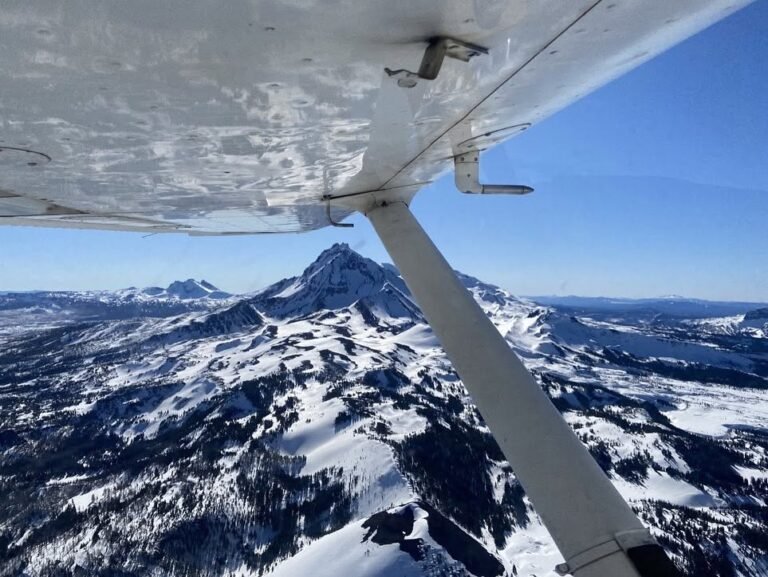
| Terrain & Weather | Cascade Mountains — Real snow, cold density altitude, gusty winds & IFR | Mostly flat, warm, sea-level, or fair-weather coastal flying |
| State Sales Tax | 0% Sales Tax in Oregon (saves thousands compared to high-tax states) | State excise taxes (e.g., 4.712% in Hawaii) or local VAT charges apply |
| Global Licences | FAA + Joint EASA helicopter pathway available on one campus | Single national licence requiring heavier conversion exams abroad |
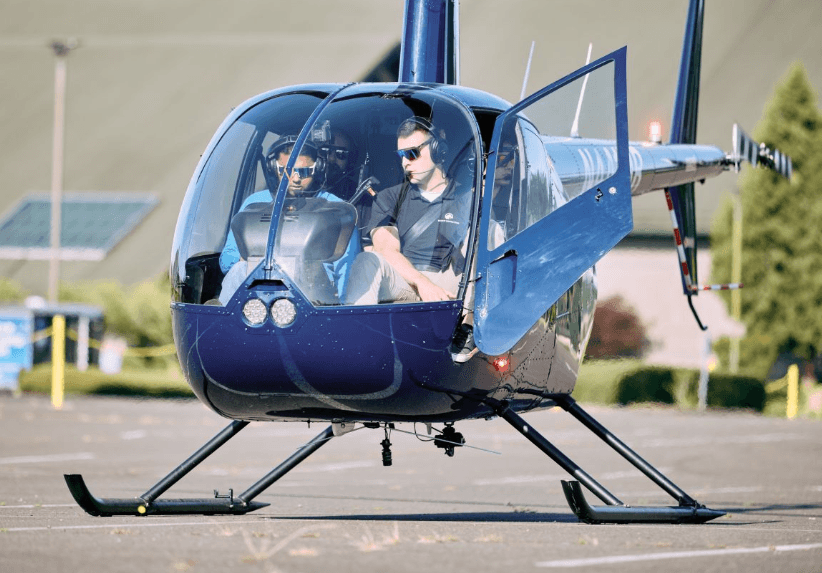
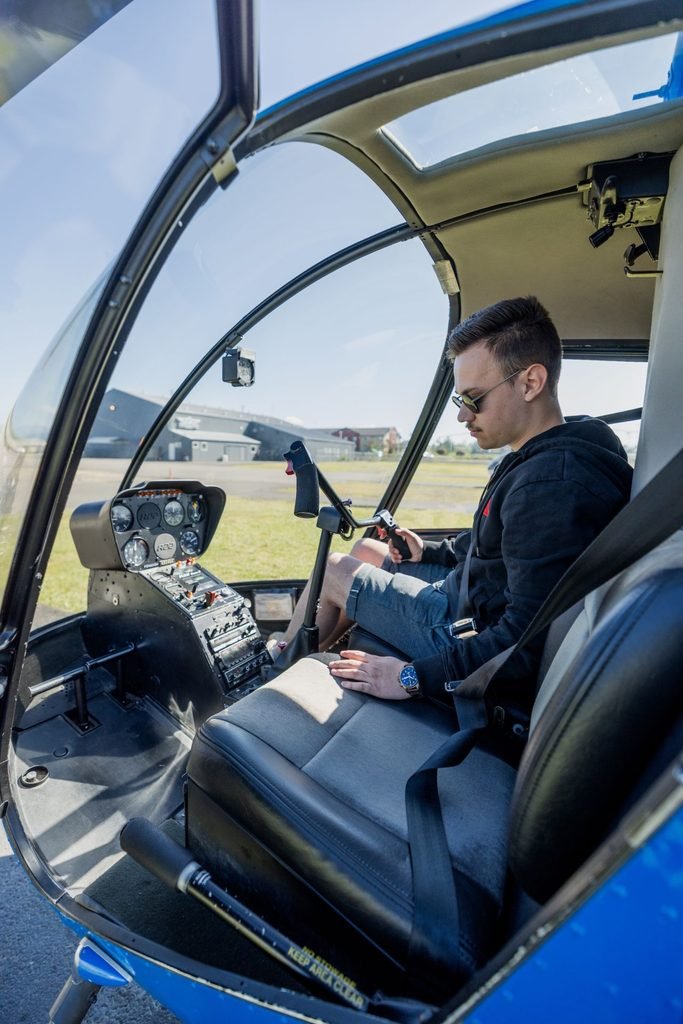
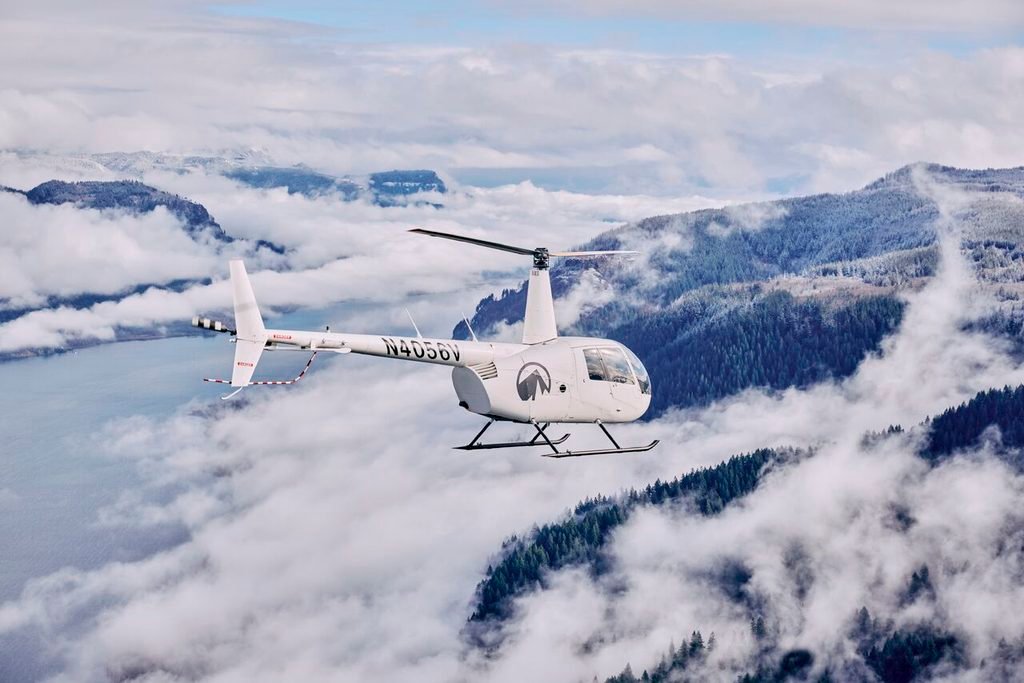
| Safety & Fleet | IS-BAO Stage 3 safety rating + standardized Robinson R22/R44 fleet | Mixed or older airframes without international IS-BAO auditing |
How to Decide Which Pathway Fits You Best
Every aspiring pilot has a different budget, timeline, and career goal. While regional flight schools can offer a lower upfront entry cost, programs like Hillsboro Aero Academy (HAA) in Oregon give Nepali students an edge when long-term employability matters—combining F-1 visa work authorization (CPT/OPT) to build paid flight hours (see our F-1, CPT & OPT Complete Guide and What Happens After Your CPL), real Cascade Mountain and instrument weather training, 0% state sales tax, and IS-BAO Stage 3 safety standards.
Sudisha Aviation Consultant (SAC) helps you evaluate all CAAN-validated pathways honestly and guides you from day one to departure. Before you sit for your official exam at CAAN, we run a COMPASS™ familiarisation session on what the test measures, how the day runs, and the NOC steps that follow. From securing your CAAN and MoEST NOCs to handling full visa documentation – with a proven track record of successful M-1 and F-1 student visa approvals (USA) for our students currently thriving at HAA—our team ensures every step is handled smoothly.
- Explore Programs & Indicative Tuition: SAC Helicopter CPL Pathways
- Start Studying Free: SAC Pre-Flight Academy
- Book Your Aptitude Test: COMPASS™ Test Nepal
Official References & Verified Sources
- Civil Aviation Authority of Nepal (CAAN) — Flight Safety Standards Department: Personnel Licensing Documents & Validated Flight Training Schools List
- Hillsboro Aero Academy (HAA) — Official Helicopter Programs: FAA Part 141 & Joint EASA/FAA Helicopter Training
- U.S. Citizenship and Immigration Services (USCIS): Optional Practical Training (OPT) for F-1 Students
- U.S. Department of Homeland Security (Study in the States): F-1 Curricular Practical Training (CPT) Regulations
- News Report — CAAN Two-Pilot Helicopter Directive (Monsoon Circular): MyRepublica — CAAN Makes Two Pilots Mandatory for Helicopter Flights
- News Report — CAAN Two-Pilot Helicopter Rule Updates: Nepal News — Two Pilots Made Mandatory for Helicopters
Have a question about this topic?
Our team at Sudisha Aviation Consultant is here to help. Reach out via our student enquiry form and we will respond promptly.
Contact SAC