
USA vs Philippines vs South Africa for Pilot Training: Which is Right for You?
For aspiring pilots in Nepal and around the world

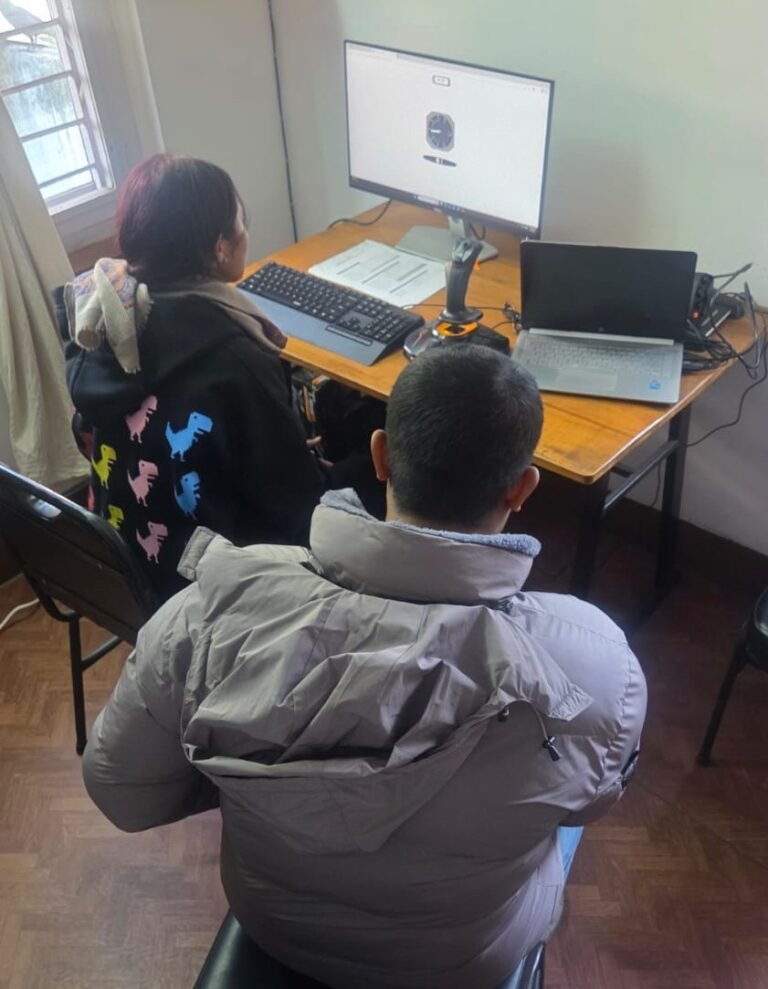
Photo Courtesy: Mr. Susheel Rasaily, an SAC student from Nepal, pursuing his Zero to CPL Program at Hillsboro Aero Academy, USA — building the skills, experience, and confidence required for a professional aviation career.
One of the most common questions we receive at Sudisha Aviation Consultant (SAC) is:
Which country is best for pilot training — the USA, the Philippines, or South Africa?
It is a fair question. After all, pilot training is one of the most significant investments an aspiring aviator will ever make. The country, flight school, training environment, and career pathway you choose can influence not only your training experience but also your long-term career.
The reality, however, is that there is no single “best” country for pilot training.
The best destination depends on your:
- Budget
- Career goals
- Educational background
- Long-term employment plans
- Preferred training environment
For Nepali students, the USA, Philippines, and South Africa continue to be three of the most popular and practical destinations for Commercial Pilot Licence (CPL) training. Each has its advantages, limitations, and unique opportunities.
However, before comparing countries, there is a far more important discussion that every aspiring pilot should understand.
Before Comparing Countries, Understand the Real Pilot Career Path
Before comparing the United States, the Philippines, and South Africa, it is important to understand something far more valuable than choosing a country: understanding the reality of the pilot career pathway itself.
Every year, thousands of students around the world begin researching pilot training destinations. Many spend weeks comparing aircraft fleets, weather conditions, tuition fees, accommodation costs, and flight schools. While these factors certainly matter, they often overlook the single most important question:
What happens after I get my Commercial Pilot Licence (CPL)?
Unfortunately, this is where many aspiring pilots develop unrealistic expectations.
A common assumption among students is that the journey looks something like this:
+2 Education -> Commercial Pilot Licence (CPL) -> Airline Job
While this pathway may sound straightforward, the reality of today’s aviation industry is far more complex.
A Commercial Pilot Licence is not a guaranteed airline job. It is a professional licence that allows you to be paid for flying. Think of it as a key that opens the door to a career in aviation—not the career itself.
Modern airlines are operating in an increasingly competitive environment. Safety standards, training requirements, operational complexity, and passenger expectations continue to rise. As a result, airlines are looking for candidates who bring far more than a licence and the minimum required flight hours.
They seek pilots who demonstrate professionalism, strong communication skills, sound judgement, operational maturity, and a long-term commitment to aviation. These qualities are developed over time through education, training, experience, and exposure—not simply by completing a CPL program.
For aspiring pilots, this means that obtaining a licence should be viewed as the beginning of a much larger professional journey.
The Aviation Industry Has Changed
Several decades ago, obtaining a CPL often created a direct pathway to airline employment. In many regions, airlines were expanding rapidly and there were fewer qualified pilots entering the industry.
Today’s environment is different.
Aspiring pilots are now competing in a global aviation marketplace where many candidates possess excellent academic backgrounds, additional ratings, higher flight experience, and diverse operational exposure.
This does not mean becoming a pilot is impossible. In fact, the aviation industry continues to offer exciting career opportunities around the world. However, it does mean that aspiring pilots should plan strategically and think beyond simply obtaining a licence.
Students who prepare themselves for long-term career development often place themselves in a much stronger position than those who focus solely on completing flight training as quickly as possible.
Think Beyond the Licence
One of the most important lessons every aspiring pilot should understand is this:
A CPL is a milestone, not the finish line.
The most successful pilots are often those who think several years ahead.
Instead of asking:
Which country is cheapest for pilot training?
A better question may be:
Which pathway will make me more competitive five years from now?
That shift in thinking can significantly influence the decisions you make regarding flight schools, academic programs, hour-building opportunities, and future career development.
As you continue reading this guide, keep this principle in mind:
Choosing a country for pilot training is important. Choosing the right long-term aviation pathway is even more important.
In the following sections, we will explore why pilot employment can be competitive, what happens after obtaining a CPL, and how aspiring pilots can prepare themselves for both domestic and international aviation opportunities.
Why Pilot Jobs in Nepal Are Highly Competitive
For many aspiring pilots in Nepal, the dream is clear: complete flight training, earn a Commercial Pilot Licence (CPL), and eventually fly for a domestic airline. While this remains an achievable goal, it is important to understand the realities of the aviation job market before investing significant time and money into flight training.
One of the biggest misconceptions among aspiring pilots is that obtaining a CPL automatically leads to employment. Unfortunately, the aviation industry does not operate that way.
Like many professional careers, aviation is influenced by market conditions, economic growth, fleet expansion, airline requirements, and hiring cycles. Opportunities exist, but competition can be strong, particularly in smaller aviation markets.
Nepal Is a Unique Aviation Environment
Nepal is home to one of the world’s most fascinating aviation sectors. Operating aircraft in Nepal requires a high level of skill and professionalism due to challenging terrain, rapidly changing weather conditions, and a network of airports located in diverse geographical environments.
However, Nepal is also a relatively small aviation market.
Compared to larger countries, the number of airlines, aircraft, and available pilot positions is naturally more limited. While airlines continue to grow and evolve, pilot recruitment does not happen continuously throughout the year. Hiring often depends on factors such as fleet expansion, operational requirements, economic conditions, and company growth plans.
As a result, newly qualified CPL holders may find themselves competing alongside many other candidates for a relatively limited number of openings.
More Students Are Entering Aviation
The aviation industry has become increasingly accessible to students over the past decade. Better information, international training opportunities, and growing awareness of aviation careers have encouraged more students to pursue pilot training than ever before.
This is a positive development for the industry.
However, it also means that airlines are often able to choose from a larger pool of candidates. Employers can therefore place greater emphasis on factors such as:
- Academic qualifications
- Additional ratings and endorsements
- Professional attitude and maturity
- Communication skills
- Aviation knowledge
- Flight experience
- International exposure
The reality is that many CPL holders may possess similar licences. What often separates one candidate from another is the additional value they bring beyond the licence itself.
Think Globally, Not Just Locally
One of the best pieces of advice we can give aspiring pilots is:
Do not build your entire career plan around a single job market.
Aviation is a global profession.
While many pilots hope to work in Nepal, successful aviation careers may also develop through opportunities in international flight training organisations, charter operations, business aviation, regional carriers, airline groups, and other aviation sectors around the world.
Students who remain flexible and open-minded often discover opportunities they had not initially considered.
This is another reason why building additional qualifications—whether through a bachelor’s degree, instructor experience, or advanced professional development—can significantly strengthen a pilot’s long-term prospects.
Focus on Becoming Employable
Instead of asking:
“How quickly can I get a CPL?”
A more effective question is:
“How can I become a pilot that airlines want to hire?”
These are very different objectives.
The first focuses on obtaining a licence.
The second focuses on building a career.
Airlines are not simply looking for licence holders. They are looking for individuals who demonstrate professionalism, commitment, operational awareness, and the ability to succeed in a highly regulated industry.
For aspiring pilots, this mindset can make all the difference.
The students who prepare themselves beyond the minimum requirements are often the ones who place themselves in the strongest position when opportunities arise.

What Happens After CPL?
Obtaining a Commercial Pilot Licence (CPL) is one of the most significant milestones in a pilot’s journey. It represents years of effort, study, examinations, flight training, and personal commitment.
However, one of the biggest misunderstandings among aspiring pilots is believing that the CPL is the final destination.
In reality, it is only the beginning.
The day you receive your CPL is the day your professional aviation career truly starts.
The aviation industry is highly competitive, and employers often look beyond licences alone when evaluating candidates. Airlines, charter operators, and aviation organisations want individuals who have demonstrated professionalism, experience, decision-making ability, and long-term commitment to aviation.
For this reason, aspiring pilots should think beyond simply obtaining a licence and begin planning for what comes next.
Pathway 1: CPL + Bachelor’s Degree
One of the strongest aviation pathways available today is combining a Commercial Pilot Licence with a bachelor’s degree.
For many students, pilot training becomes the primary focus, and academic development is often overlooked. While there is nothing wrong with concentrating on flight training, students should understand the long-term benefits that a degree can provide throughout their careers.
A CPL demonstrates that you can operate an aircraft professionally.
A degree demonstrates broader skills such as:
- Critical thinking
- Research and analysis
- Communication
- Problem solving
- Professional discipline
- Leadership development
These skills are valuable not only in aviation but throughout an individual’s professional life.
As the aviation industry becomes increasingly competitive, airlines are receiving applications from candidates who possess both strong flight qualifications and academic credentials. While a degree may not always be mandatory, it can certainly strengthen a pilot’s profile.
Benefits of Combining a Degree with a CPL
Stronger Employment Profile
A candidate holding both a CPL and a degree often presents a more balanced professional profile than a candidate holding only a licence.
Long-Term Career Security
Aviation can be influenced by economic conditions, industry cycles, regulatory changes, and external events. Having an academic qualification provides flexibility and alternative career pathways if circumstances change.
Better International Opportunities
Many international employers appreciate candidates who possess both aviation qualifications and higher education credentials.
Professional Growth
A degree often develops skills such as communication, teamwork, analysis, and leadership—qualities highly valued throughout the aviation industry.
Why Aviation Degrees Can Be Valuable
Students pursuing pilot training may wish to consider academic programs directly related to aviation.
Examples may include:
- BSc Aviation
- Aviation Management
- Aeronautical Science
- Aviation Technology
- Aerospace-related programs
These programs can complement flight training and help students develop a deeper understanding of the aviation industry beyond aircraft operation alone.
For students interested in this pathway, SAC provides guidance on integrated academic and flight-training opportunities through its BSc + CPL pathways.
Pathway 2: Build Flight Hours as a Flight Instructor
The second major pathway after obtaining a CPL involves gaining additional operational experience through flight instruction.
This is one of the most respected and widely used pathways in global aviation.
Many airline captains around the world began their careers as flight instructors.
The process typically looks like this:
CPL -> Flight Instructor Training -> Flight Instructor Employment -> 500–1500 Flight Hours -> Airline Opportunities
While the exact journey differs for every individual, the principle remains the same:
Airlines value experience.
Why Airlines Value Flight Instructors
Flight instruction develops skills that go far beyond aircraft handling.
As a flight instructor, a pilot must:
- Teach complex concepts clearly
- Manage student errors safely
- Make sound decisions under pressure
- Communicate effectively
- Demonstrate excellent procedural discipline
- Maintain a high level of professionalism
These experiences help shape pilots into stronger aviation professionals.
Many employers recognise this value.
The Importance of Flight Hours
Flight hours alone do not guarantee success.
However, meaningful operational experience remains one of the most important factors in aviation career progression.
A pilot who has accumulated substantial experience while instructing often develops:
- Better situational awareness
- Improved judgement
- Greater confidence
- Stronger cockpit discipline
- More refined aircraft handling skills
These qualities become increasingly important as pilots progress toward more advanced flying positions.
Building a Foundation for Long-Term Success
One of the greatest benefits of hour-building is that pilots gain practical experience while continuing to learn.
Every flight presents new challenges.
Every student brings different strengths and weaknesses.
Every lesson develops communication and leadership skills.
Over time, instructors often become significantly more capable aviation professionals.
This experience can become a major asset when applying for future opportunities.
Which Path Is Better?
The truth is that neither pathway is universally better.
Many successful pilots choose one route.
Many combine both.
Some pilots complete a bachelor’s degree and later build extensive instructor hours.
Others build significant experience first and pursue further education afterward.
The most important thing is understanding that your aviation career does not end at CPL.
It continues long after you leave flight school.
Think Five Years Ahead
When researching pilot training destinations such as the USA, Philippines, or South Africa, students often focus heavily on:
- Training costs
- Aircraft types
- Accommodation
- Weather conditions
These are all important considerations.
However, one additional question should always be asked:
Where do I want to be five years after obtaining my CPL?
Students who ask this question early tend to make stronger decisions regarding education, training, and career planning.
The aviation industry rewards individuals who think long-term.
Whether your goal is a Nepali airline, an international carrier, business aviation, flight instruction, or another aviation pathway altogether, success often comes from planning beyond the licence itself.
A CPL opens the door.
What you do after obtaining it often determines how far your aviation career can take you.
Pilot Training in the Philippines
The Philippines remains one of the most popular pilot training destinations for Nepali students. Its English-speaking environment, established aviation ecosystem, and familiarity among Nepali students make it an attractive option for aspiring pilots.
Advantages
- English-based aviation training
- Well-established flight training industry
- Aviation college and degree pathways available
- Popular destination for Nepali students
Things to Consider
Not all flight schools offer the same training quality. Students should carefully evaluate safety standards, instructor quality, fleet condition, and student support before making a decision.
Best Suited For
Students looking for a well-established aviation training environment with opportunities to combine flight training and higher education.
Pilot Training in South Africa
South Africa is respected globally for practical flight training and strong aviation standards. The country’s diverse flying environment provides valuable operational exposure during training.
Advantages
- Strong flight training culture
- Diverse flying conditions
- Internationally recognised training standards
- High focus on practical flying skills
Things to Consider
Students should compare schools carefully and understand the long-term career pathway available after completing training.
Best Suited For
Students seeking strong practical flight training and operational flying experience in a professional aviation environment.
Pilot Training in the USA
The United States is home to one of the world’s largest aviation industries and offers extensive training opportunities for aspiring pilots.
Advantages
- World-class aviation infrastructure
- Large airport and airspace network
- Strong aviation culture
- Internationally recognised training environment
What Makes Some USA Programs Unique
A major challenge for many CPL holders worldwide is accumulating additional flight experience after training. Certain partner schools associated with SAC offer structured pathways that allow eligible graduates to continue building flight hours as Certified Flight Instructors (CFIs).
This can be a significant advantage because many airlines and aviation employers value pilots who have accumulated meaningful flight experience beyond the minimum CPL requirements.
Best Suited For
Students seeking long-term international aviation opportunities, extensive aviation exposure, and pathways that support professional flight-hour development.
USA vs Philippines vs South Africa — Comparison Overview
After exploring the advantages and considerations of each destination, many students still ask:
“So which country is actually the best?”
The honest answer is that there is no universal winner.
Each destination offers unique advantages, and the best choice depends on your budget, career goals, educational aspirations, and long-term aviation plan.
Before making a decision, it is important to compare these destinations across several key factors.
Comparison Table
| Factor | Philippines | South Africa | USA |
|---|---|---|---|
| English-Based Training | ✅ Excellent | ✅ Excellent | ✅ Excellent |
| Aviation Infrastructure | ✅ Good | ✅ Good | ✅ Excellent |
| Degree Opportunities | ✅ Available | ⚠ Limited | ⚠ Limited |
| International Exposure | ✅ Good | ✅ Good | ✅ Excellent |
| Flight Hour Building Opportunities | ⚠ Limited | ⚠ Limited | ✅ Strong |
| Popularity Among Nepali Students | ✅ Very High | ✅ Moderate | ✅ High |
| Training Environment | ✅ Established | ✅ Diverse Flying Conditions | ✅ Extensive Airspace & Airports |
Which Country Should You Choose?
Rather than asking which country is best, ask:
Which country is best for my career objectives?
If Budget Is Your Primary Concern
The Philippines is often considered by students looking for established training pathways and an environment familiar to many Nepali trainees.
If You Want Diverse Flying Experience
South Africa provides exposure to a wide variety of flying conditions and operational environments that many pilots find valuable during their development.
If You Want Maximum Long-Term Career Flexibility
The United States remains one of the world’s largest aviation markets and offers significant aviation infrastructure, extensive airspace systems, and opportunities for long-term professional development.
If You Want Degree + CPL Opportunities
Students interested in combining aviation studies with professional flight training should explore institutions that offer both academic and aviation pathways.
In today’s aviation industry, a strong educational background can be a significant advantage.
Remember: Choose the Flight School, Not Just the Country
One of the biggest mistakes aspiring pilots make is spending months comparing countries while spending very little time evaluating individual flight schools.
A high-quality training institution can make a far greater difference to your future career than the country itself.
Before selecting any school, evaluate:
✅ Safety culture
✅ Instructor quality
✅ Fleet condition
✅ Aircraft availability
✅ Student support systems
✅ Graduate success stories
✅ Long-term career pathways
A good school in one country will almost always outperform a poor school in another.
The USA Advantage: Flight Hour Building Opportunities
One of the biggest challenges pilots face after obtaining a CPL is accumulating meaningful flight experience.
Many newly licensed pilots discover that becoming airline-ready requires considerably more flying than the minimum requirements necessary to obtain a licence.
This is where certain training pathways in the United States can offer an advantage.
Some SAC partner schools in the USA provide opportunities for eligible graduates to continue building flight hours through flight instruction pathways after completing their CPL training.
For aspiring pilots aiming for professional airline careers, this can be extremely valuable because it allows students to continue developing their skills while accumulating meaningful operational experience.
This is one reason why students should evaluate not only how they will obtain a CPL—but also what opportunities may exist after graduation.
Choose a Career Strategy, Not Just a Country
The most successful pilots often think beyond flight school.
They ask questions such as:
- What happens after I obtain my CPL?
- How will I become competitive for airline opportunities?
- Should I pursue a degree?
- How will I build additional flight hours?
- What will my career look like five years from now?
These questions often matter far more than the country printed on a school’s brochure.
At SAC, we encourage students to focus not only on where they train, but on how they prepare themselves for a long-term aviation career.
The right destination is important.
The right career strategy is even more important.
Only Consider CAAN-Recognised Pathways
For aspiring pilots from Nepal, choosing a flight school is not simply about reputation, cost, or location. It is equally important to ensure that the training pathway aligns with the requirements of the Civil Aviation Authority of Nepal (CAAN).
Many students spend months researching flight schools abroad but very little time understanding the regulatory requirements that may apply when they return to Nepal. This can lead to unnecessary confusion, delays, and additional costs later in the licensing process.
Before making any decision, students should always verify that their chosen training pathway is compatible with current CAAN requirements and procedures.
Aviation regulations evolve over time. What may be accepted today could change in the future, which is why students should always consult the latest official guidance.
Do Your Research Before Enrolling
Before committing to any flight school, consider asking:
- Does the training pathway align with current CAAN requirements?
- What licence conversion requirements may apply after training?
- What documentation will be required?
- Are there additional examinations, validations, or procedures to complete?
Taking the time to understand these questions early can save considerable time and effort later.
Use Official Sources
Students should always verify information through official regulatory sources.
Official CAAN Website:
https://www.caanepal.gov.np/
At SAC, we encourage students to conduct thorough research and make informed decisions based on verified information rather than social media discussions, online rumours, or outdated guidance.
Planning Early Prevents Problems Later
One of the most effective ways to avoid complications is to begin your aviation journey with a clear understanding of the licensing process, training pathway, and long-term career plan.
The better informed you are at the beginning, the smoother your journey is likely to be throughout training and beyond.
Before Joining Any Flight School, Start Here
Choosing a country and flight school should never be the first step in becoming a pilot.
Yet many aspiring aviators begin comparing training destinations before they fully understand the profession they are about to enter.
At SAC, we believe aspiring pilots should first understand the foundations of an aviation career before committing significant financial and personal resources to flight training.
Before selecting a training destination, take the time to understand:
- Medical requirements
- Pilot aptitude assessment
- The COMPASS Test
- CPL pathways
- Airline career expectations
- Degree vs non-degree pathways
- Flight-hour building opportunities
- Aviation industry realities
The Importance of Early Preparation
Many aviation careers succeed or fail before a student ever steps into a cockpit.
The most successful pilots are usually those who took the time to understand the profession before investing in training.
They ask questions such as:
- What type of pilot do I want to become?
- Should I pursue a degree alongside my CPL?
- How will I build experience after training?
- What challenges might I face when seeking employment?
- What does a realistic airline career pathway look like?
These questions are often far more important than deciding whether to train in the USA, Philippines, or South Africa.
Start with SAC’s Free Pre-Flight Academy
To help aspiring pilots make informed decisions, SAC developed the Pre-Flight Academy—a free resource designed to provide practical guidance before students begin flight training.
The Pre-Flight Academy helps students understand:
✅ The pilot licensing process
✅ Aviation medical requirements
✅ Flight school selection
✅ Career planning
✅ Cost expectations
✅ Industry realities
✅ Long-term pathway development
Its purpose is simple:
To help aspiring pilots make better decisions before investing in flight training.
COMPASS Preparation Guidance
For many Nepali students, another important step in the journey is understanding the COMPASS Test.
The COMPASS assessment is designed to evaluate aptitude and suitability for pilot training. Understanding its structure and preparing appropriately can help students approach the process with greater confidence.
SAC provides guidance and preparation support for students preparing for the COMPASS assessment as part of their aviation journey.
Build a Career Plan, Not Just a Training Plan
The most successful students think beyond the next six months.
Instead of focusing solely on:
“Which flight school should I join?”
They also ask:
“Where do I want my aviation career to be five years from now?”
This mindset often leads to better decisions, stronger preparation, and ultimately better career outcomes.
Because in aviation, obtaining a licence is only the first step.
Building a successful professional career is the real objective.
Need Help Choosing the Right Country?
Choosing a flight training destination is one of the most important decisions an aspiring pilot will make. With so many options available, it is easy to become overwhelmed by information, rankings, opinions, and online discussions.
The reality is that there is no single training destination that is perfect for every student.
A pathway that may be ideal for one aspiring pilot might not be the best fit for another.
The right decision depends on several factors, including:
- Your long-term career goals
- Your educational background
- Your financial plan
- Your preferred training environment
- Your willingness to pursue additional qualifications beyond a CPL
For some students, the ideal pathway may involve combining a degree with flight training. For others, a pathway that offers opportunities to build additional flight experience after obtaining a CPL may be the more strategic option.
What matters most is making an informed decision based on reliable information rather than assumptions or marketing claims.
At SAC, our role is not simply to help students find a flight school.
Our goal is to help aspiring pilots understand the bigger picture and select a pathway that supports their long-term success in aviation.
Whether you are still exploring your options, preparing for the COMPASS assessment, comparing international flight schools, or planning your future career strategy, taking the time to seek proper guidance can help you avoid costly mistakes and make more confident decisions.
Useful Resources
If you are still in the research phase, we recommend exploring:
- SAC Pre-Flight Academy
- COMPASS Preparation Support
- Airplane CPL Programs
- BSc + CPL Pathways
- Student Enquiry Services
The earlier you start planning, the better prepared you will be when opportunities arise.
Conclusion
The question of whether the USA, the Philippines, or South Africa is the best destination for pilot training does not have a single answer.
Each country offers valuable opportunities, established flight training institutions, and pathways that have helped aspiring pilots begin successful aviation careers.
What truly matters is not simply where you train, but how you approach your career development from the very beginning.
Throughout this article, we have discussed an important reality that many aspiring pilots overlook:
A Commercial Pilot Licence is not the finish line. It is the starting point of a professional aviation career.
Today’s aviation industry is highly competitive. Airlines and aviation employers are looking for individuals who demonstrate professionalism, strong decision-making, aviation knowledge, communication skills, and meaningful experience beyond the minimum licensing requirements.
For this reason, aspiring pilots should think beyond obtaining a CPL and consider how they will continue developing after training.
For many students, this may involve:
- Pursuing a bachelor’s degree alongside flight training
- Building additional flight hours as a flight instructor
- Gaining broader aviation knowledge
- Preparing for international career opportunities
- Developing a long-term professional strategy
The most successful pilots rarely focus only on the next step.
Instead, they think several years ahead and make decisions that support their future goals.
Whether you choose the USA, the Philippines, South Africa, or another training destination altogether, remember that success in aviation is built on preparation, commitment, continuous learning, and strategic planning.
Before choosing a country, choose a career path.
Before choosing a flight school, understand the profession.
And before investing in flight training, take the time to prepare yourself with accurate information, realistic expectations, and a clear vision for your future.
The aviation industry offers incredible opportunities for those willing to prepare properly. Your journey to the flight deck begins not with a flight school application, but with informed decision-making.
Fly with purpose. Train with a plan. Build a career—not just a licence.
Have a question about this topic?
Our team at Sudisha Aviation Consultant is here to help. Reach out via our student enquiry form and we will respond promptly.
Contact SAC