What is COMPASS™? A Complete Guide for Aspiring Pilots in Nepal
COMPASS™ (Computerised Pilot Aptitude Screening System) is the world’s leading pilot aptitude selection tool, developed by COMPASS International B.V. in the Netherlands. With over 200,000 tests completed across 50+ countries, COMPASS™ has become the global standard for measuring whether a candidate has the natural aptitude to complete pilot training — before investing years and significant funds in flight school.
If you are an aspiring pilot in Nepal, the COMPASS™ test Nepal requirement is non-negotiable: the Civil Aviation Authority of Nepal (CAAN) mandates that all student pilots pass the Ab-Initio COMPASS™ assessment before commencing CPL training abroad. Understanding what it measures, how to prepare, and where to take it can make the difference between a confident start and an avoidable delay.
Why Does CAAN Require the COMPASS™ Test in Nepal?
Flight training is one of the most expensive professional qualifications in the world — often exceeding USD 60,000–100,000 for a CPL. The COMPASS™ test identifies, before training begins, whether a candidate possesses the cognitive and psychomotor aptitudes required to succeed. This protects both the student and the training organisation from a failed investment.
CAAN adopted COMPASS™ to align Nepal’s pilot selection process with international standards used by airlines and ATOs across 50+ countries. Passing the COMPASS™ test Nepal is not just a regulatory checkbox — it is recognised internationally as confirmation that you are a pre-screened, verified candidate.
More than 200,000 COMPASS™ selection tests have demonstrated a significant reduction in flight training failure rates. When combined with a standardised simulator assessment, COMPASS™ can bring the number of candidates failing their training to near zero.
COMPASS International B.V. — compass.aero
The 8 COMPASS™ Test Modules Explained
The Ab-Initio COMPASS™ tests 8 modules, each measuring a distinct natural aptitude — confirmed on the official COMPASS™ website. The test does NOT assess aviation knowledge. A candidate with zero aviation background can score at the top.
| Module | What It Measures | Relevance to Piloting |
|---|---|---|
| M1 — Hand-Eye-Foot Coordination | Psychomotor control — joystick and rudder pedals | Physical aircraft control; hardware required |
| M2 — Spatial Orientation | 3D spatial reasoning without visual reference | Flying in IMC and instrument conditions |
| M3 — Multi-Task Management | Divided attention across simultaneous tasks | Managing instruments, comms, and navigation at once |
| M4 — Mental Calculations | Rapid mental arithmetic under time pressure | Fuel, heading, altitude calculations without a calculator |
| M5 — Short-Term Memory | Retain and retrieve sequences quickly | ATC clearances, callsigns, headings held in memory |
| M6 — Mental Capacity | Cognitive processing speed and accuracy | Overall mental throughput under cockpit conditions |
| M7 — Verbal Reasoning | Logical deduction from written information | Charts, NOTAMs, checklists interpreted fast and correctly |
| M8 — Aviation English | English comprehension in aviation context | ICAO standard phraseology and ATC communication |
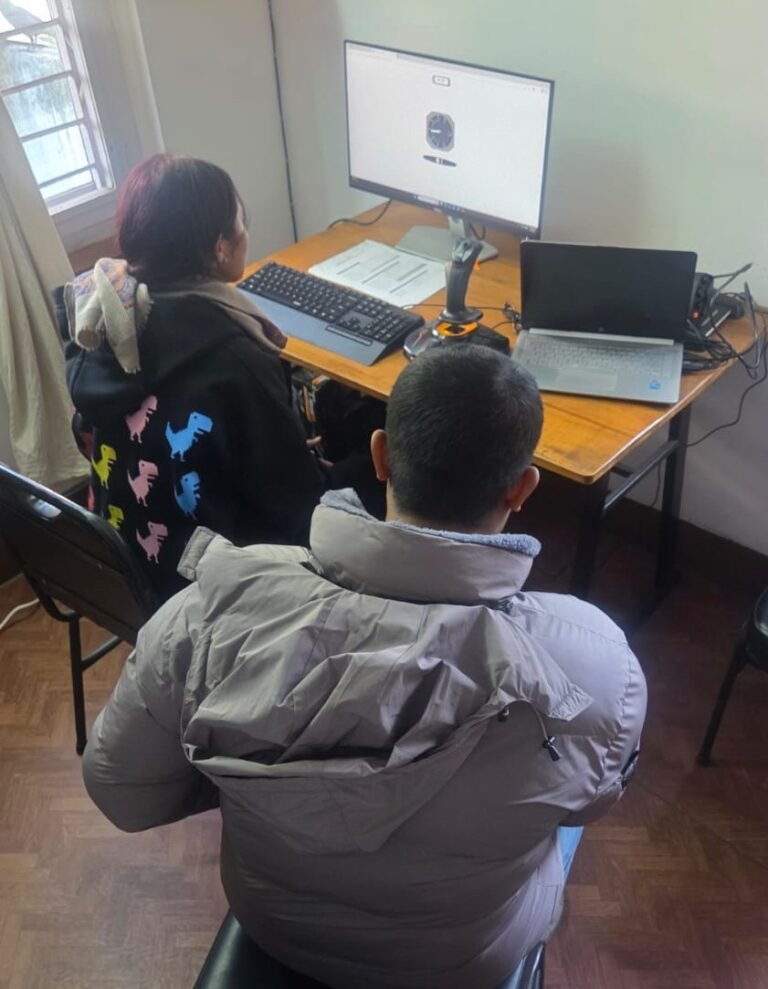
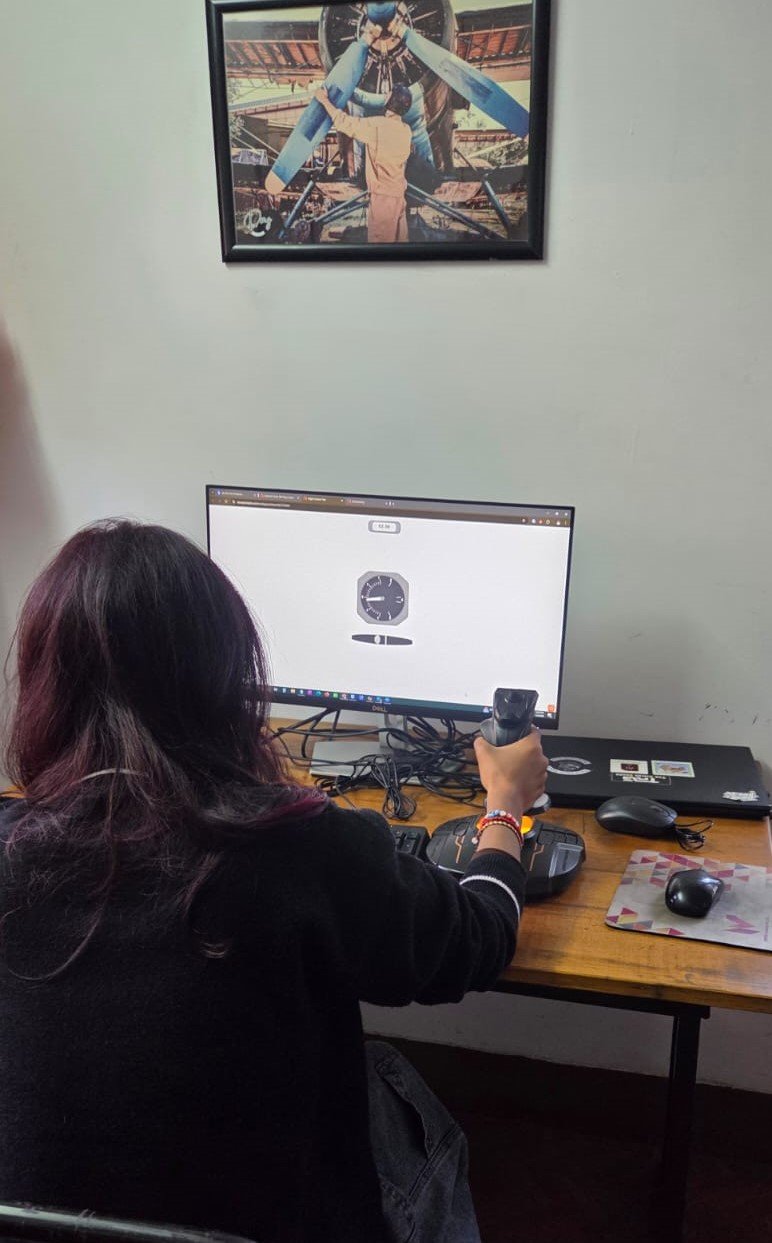
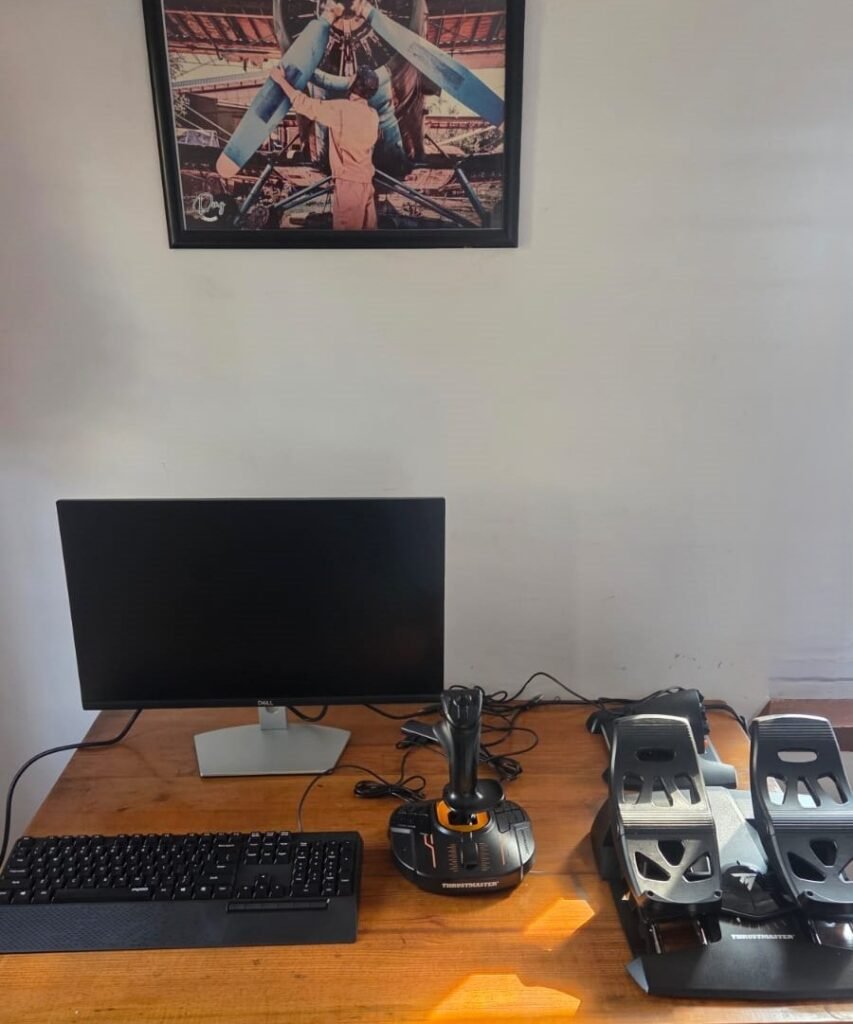
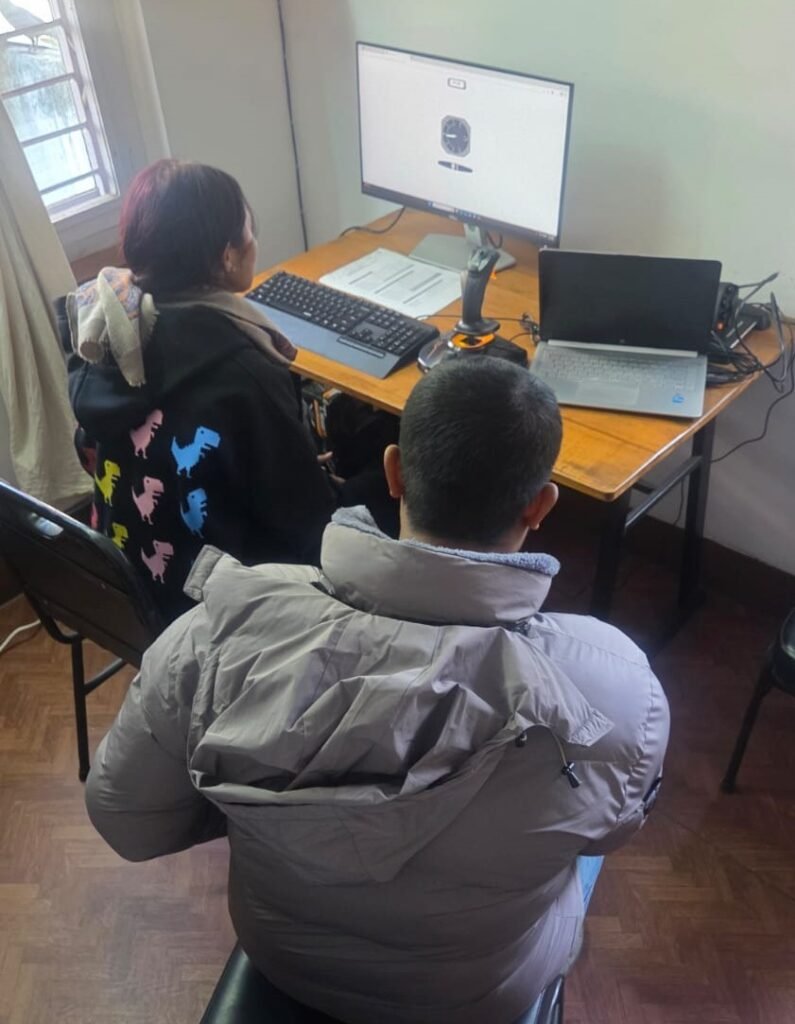
Critical note on Module 1: M1 requires a joystick and rudder pedals. This cannot be simulated on a keyboard — keyboard practice for this module is wasted preparation time. SAC provides hardware practice sessions at our Budhanilkantha, Kathmandu office before your official test.
How to Register for the COMPASS™ Test in Nepal
As an Ab-Initio candidate in Nepal, you have two official routes to sit the COMPASS™ test:
Option 1 — Directly Through CAAN
CAAN administers Ab-Initio COMPASS™ through its Flight Safety Standards Department. Contact them for the current test schedule, documentation requirements, and fee structure — these are updated periodically.
- Email: licensing@caanepal.gov.np
- Phone: +977-1-4111075
- Website: flightsafety.caanepal.gov.np
Option 2 — Through SAC (Officially Authorised COMPASS™ Centre)
Sudisha Aviation Consultant is officially authorised by COMPASS International B.V., Netherlands to conduct COMPASS™ tests in Nepal. SAC administers Advanced COMPASS™ directly and guides Ab-Initio candidates through the complete CAAN process — documentation, hardware preparation, and test logistics.
Contact SAC: hello@sudishaviation.com.np
Student Enquiry | SAC COMPASS™ Page
How to Prepare for the COMPASS™ Test — A Practical Guide
COMPASS™ tests natural aptitude — not learnable knowledge. You cannot memorise your way to a higher score. What structured preparation achieves is removing unfamiliarity and test anxiety, both of which measurably reduce performance on timed aptitude tests. Two to three weeks of daily focused practice is the recommended approach.
- Daily aptitude practice: The LatestPilotJobs aptitude platform is the best freely available simulation of COMPASS™ test conditions. 20–30 minutes daily across all 8 modules.
- Target weak modules first: After two or three days of practice, identify which modules you score lowest on. Devote the majority of your remaining sessions there — not to modules you already handle well.
- Hardware practice for M1 is mandatory: Keyboard-based practice transfers nothing to Module 1. Book a joystick and rudder pedal session at SAC so the equipment is familiar before test day.
- Mental arithmetic drills for M4: Short timed sessions of mental maths (addition, subtraction, multiplication without a calculator) sharpen calculation speed more efficiently than general practice.
- Prioritise sleep: Research consistently shows that one night of poor sleep reduces working memory, reaction time, and multi-task performance. An extra hour of rest before test day is worth more than an extra hour of practice.
- Simulate test conditions: Practice seated at a desk, timed, with no distractions. Do not practice in casual settings — your brain needs to associate focused effort with test conditions.
What to Expect on COMPASS™ Test Day
- Bring valid government-issued photo ID — passport is preferred
- The assessor briefs you before each module. Read all on-screen instructions before clicking through — once you click NEXT, you cannot return
- Each module has practice rounds before the scored attempt. Use these to calibrate, not to relax
- For Module 1, adjust the joystick and pedal settings for your body size and comfort before the scored test begins — this directly affects your M1 score
- If any hardware or software issue arises mid-test, notify the assessor immediately — delays raised after the fact cannot be resolved
- Bring scratch paper for Module 4 mental calculations if the test centre permits it
- Total duration: approximately 2 hours for the full aptitude battery
Understanding Your COMPASS™ Results
Results are available immediately after the test when connected to the COMPASS™ servers. Your printed report shows module-by-module scores alongside threshold markers. CAAN requires that you meet both an overall score threshold AND individual module thresholds — falling below the minimum on any single module is a fail, even if your overall score is otherwise adequate.
Retakes: CAAN allows retakes after a mandatory waiting period between attempts. The consequences of a second failure are more serious than a first. Confirm the current retake policy with CAAN or SAC before your first test — do not rely on secondhand information or social media posts, as policies are updated.
Result validity: COMPASS™ results have a defined validity window under CAAN’s regulations. Confirm the current period before booking, especially if you plan to enrol in flight school some months after your test date.
Ab-Initio vs. Advanced COMPASS™ — Key Differences
| Ab-Initio COMPASS™ | Advanced COMPASS™ | |
|---|---|---|
| Who it is for | Aspiring student pilots with no flying experience | Licensed pilots applying to airlines or ATOs |
| When required | CAAN mandatory requirement before CPL training abroad | Airline and ATO professional pilot selection |
| Complexity | 8 standard aptitude modules | Advanced assessments including ATPL-level elements |
| Available at SAC | Guided through full CAAN process + hardware prep | Administered directly at SAC Kathmandu |
Frequently Asked Questions — COMPASS™ Test Nepal
Is the COMPASS™ test mandatory for all aspiring pilots in Nepal?
Yes. CAAN requires all student pilots to pass Ab-Initio COMPASS™ before being cleared to commence CPL training abroad. There are no exemptions based on previous aptitude tests done under other systems or in other countries.
Do I need aviation knowledge or prior flying experience?
No. COMPASS™ measures natural cognitive and psychomotor aptitude — not aviation knowledge. Module 8 tests English comprehension in an aviation context, not technical terminology. A candidate with zero aviation background can achieve a top score.
Can I retake COMPASS™ if I do not pass?
Yes. CAAN permits retakes after a mandatory waiting period. The consequences of a second failure are more significant. Speak to CAAN or SAC to understand the current retake rules before your first attempt.
How long is the COMPASS™ result valid for CAAN purposes?
CAAN specifies validity periods for COMPASS™ results. Confirm the current window directly with CAAN or SAC before booking — particularly if you plan to apply to a flight school several months after your test.
What hardware is needed for Module 1?
The test centre provides a joystick (flight stick) and rudder pedals — you do not bring your own. However, if you have never operated this hardware, book a practice session at SAC before test day. The adjustment period on unfamiliar hardware during a scored test costs you time and accuracy.
What does the COMPASS™ test cost in Nepal?
Fees are set by CAAN and are updated periodically. Contact CAAN’s Flight Safety Standards Department directly, or send SAC an enquiry for the most current fee information. Do not rely on figures published in older blog posts or social media.
What is the difference between COMPASS™ and Pre-COMPASS™?
Pre-COMPASS™ is an internet-based pre-screening tool that airlines and ATOs use to shortlist candidates quickly before the full COMPASS™ battery. For Nepal’s CAAN requirement, the full Ab-Initio COMPASS™ test is mandatory — Pre-COMPASS™ alone does not satisfy it.
Have more questions about the COMPASS™ test Nepal process? Visit our FAQs page or contact SAC directly. As Nepal’s officially authorised COMPASS™ testing centre, we guide candidates from initial enquiry through to test booking, hardware preparation, and CAAN documentation.
Explore SAC’s COMPASS™ Test page →
Have a question about this topic?
Our team at Sudisha Aviation Consultant is here to help. Reach out via our student enquiry form and we will respond promptly.
Contact SAC