
Pilot Traning School

What is COMPASS™ ?

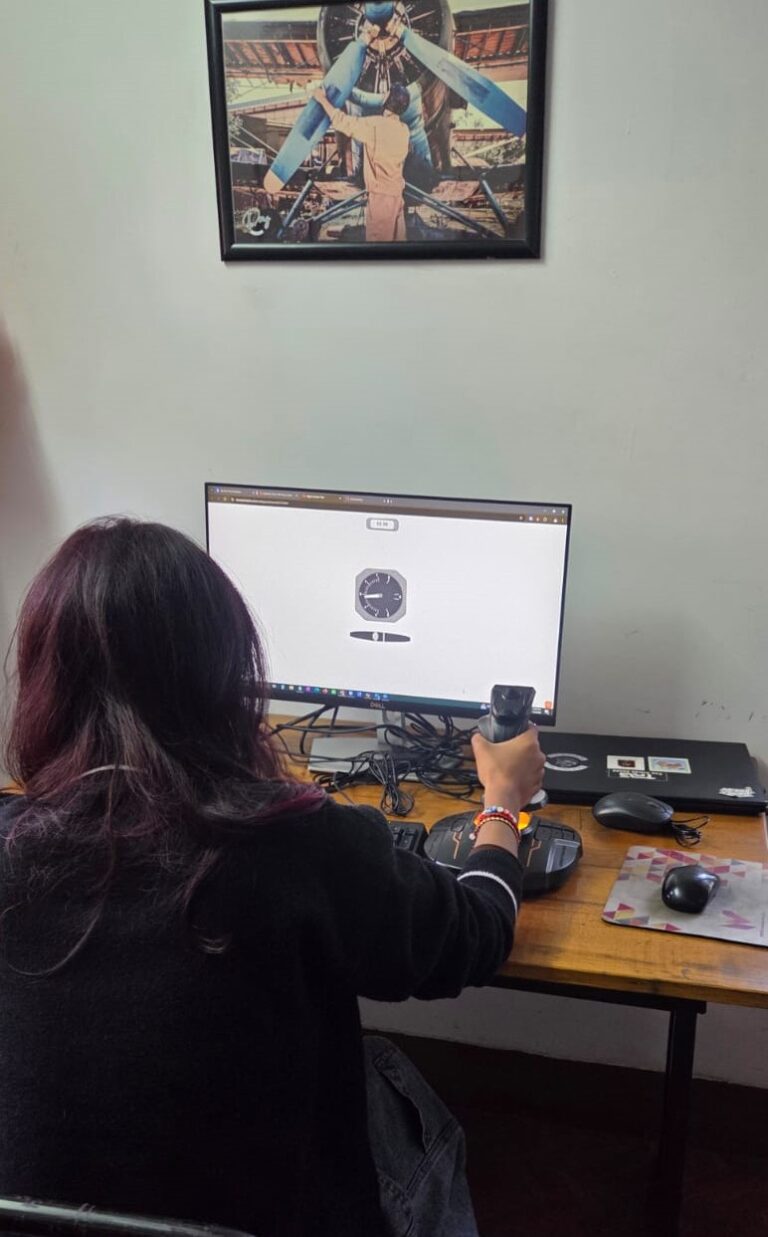
Are you considering a career in aviation or looking to advance your pilot career? You’ve probably heard about the COMPASS™ system – a crucial assessment tool that can make or break your aviation journey. But what exactly is it, and why does it matter so much to flight training organizations and airlines worldwide? The COMPASS™ system goes beyond just evaluating your technical abilities. It dives deep into your aptitudes, personality traits, and potential for success in the demanding world of aviation. Whether you’re a fresh candidate hoping to begin flight training or an experienced pilot aiming for career advancement, understanding this comprehensive assessment tool is essential for your success. In this blog post, we’ll explore the COMPASS™ system in brief.  The COMPASS™ (COMputerized Pilot Aptitude Screening System) is an advanced selection and screening tool specifically designed for the aviation industry. You’ll find this system widely used by Flight Training Organizations (FTOs) and airlines to identify candidates who possess the necessary skills for commercial aviation careers. COMPASS™ eliminates the traditional subjective evaluation methods by implementing standardized, computer-based tests that ensure all candidates are assessed on identical skill sets. COMPASS evaluates pilot competencies according to IATA guidelines through a comprehensive series of tests.  More than 250,000 COMPASS™ seletion tests have demonstrated a reduction in the failure rate for flight traning, leading to significant time and cost savings by minimizing the need for additional traning. When utilized in conjuctionn witha standardized simulator assessment, COMPASS™ can help bring the number of candidates failing their flight traning to nearly zero.  COMPASS International B.V. Types of COMPASS™ Assessments A. Standard COMPASS™ for new candidates If you’re an ab-initio pilot (one with no previous flying experience), you’ll encounter the Standard COMPASS™ assessment. This version includes the COMPASS – Basic coordination test, which evaluates your cognitive abilities and potential adaptability to pilot training. Many airlines and flight training schools use this test as part of their selection process for cadet programs. When you take this assessment, you’ll be evaluated on your capacity to handle training challenges before making significant financial and personal investments in your pilot career. B. Advanced COMPASS™ for experienced pilots For those of you who already have flying experience, the Advanced COMPASS™ assessment features the COMPASS – Coordination test. This version is specifically tailored to evaluate your existing skills and potential for adapting to new airline procedures. Various airlines utilize this assessment when selecting experienced pilots for positions, ensuring you have the cognitive capabilities to meet their specific operational standards. C. COMPASS™ Personality Profile The COMPASS™ Personality Profile (CPP) is a psychometric component of the assessment system that evaluates your personality traits relevant to pilot performance. This assessment helps determine how well you might fit into the aviation environment and predict your success in training. The profile examines various aspects of your personality that correlate with effective pilot behavior and decision-making capabilities. Flight Stick FLIGHT STICK T.16000M FCS Model Rudder Pedals What to Expect During Your COMPASS Test   When you arrive at the test center, ensure you bring a valid government ID (preferably a passport). The assessor will begin with a welcome briefing and guide you through the process. Test Overview:Duration: Approximately 2 hoursModules: 6 total (Orientation, Control, Slalom, Task Manager, Mathematics, and Memory)Practice Rounds: Each module includes explanations and 2 practice attempts before the actual test.Time Limits: Some sections (e.g., Mathematics, Orientation) are timed. A yellow square on the screen will indicate this. Important Notes:✔ Read instructions carefully—once you click “NEXT,” you cannot go back.✔ No keyboard use during explanations.✔ Adjust the pedals and joystick for comfort before starting.✔ If any issues arise, notify the assessor immediately—delays may prevent assistance later. Provided Materials:✔Blank paper (for math calculations)✔Math reference table✔Translation list (if applicable) After COMPASS:If only taking COMPASS, you’ll pause before the technical test (CPP).CPP Test: 225 personality-based statements (45 minutes). Answer instinctively—don’t overthink!Aviation English Test (if applicable): Assesses reading/listening skills. The assessor will brief you before starting.   Prepare thoroughly and stay focused during your test. For the latest updates and detailed information, contact Sudisha Aviation Consultants (SAC). Need quick answers? WhatsApp us at +977 9823756630 – we’re always happy to chat! 😊 Understanding Your COMPASS™ Test Results Passing Requirements:To succeed in the COMPASS™ test, candidates must:✔ Score minimum 23 points (22 or below = fail)✔ Meet all 6 red thresholds on the printed report (falling below any = fail) What You’ll Receive:– Copy of your COMPASS™ results– CPP personality report (with explanation) Other Test Requirements:✈️ Technical Test: – Answer 10/15 questions correctly to pass– Can retry anytime after failing 🧠 CPP Personality Assessment:– PASS: Minor/Some concerns– FAIL: Serious concerns Aviation English:– Score 4+/7 points per test section Important Notes:⏳ Validity: All test results remain valid for 1 year🔄 Retakes:– COMPASS™ fail → Retry after 3 months.– 2nd COMPASS™ fail → Selection process ends. (Airlines and ATOs holds final authority – Aviation authorities like CAAN (Nepal) or FAA (USA) have general guidelines for retesting after failures in pilot exams, but these do not specifically govern COMPASS™ since it’s a pre-selection tool, not a licensing exam) Details may be updated periodically – for latest information, please check with SAC. Need help interpreting your results? Our team is happy to explain! 🚀 Service Fees The fees for assessment services are as follows:COMPASS Test: €50.00 (Fifty Euros) per attempt (includes Tech Test and English Language Assessment)COMPASS Personality Test (CPP): €50.00 (Fifty Euros) per attemptAdvanced COMPASS Test: €50.00 (Fifty Euros) per attempt Important Notes:• All listed fees are exclusive of applicable local taxes/VAT Fees are subject to change. For the most current pricing, please contact Sudisha Aviation Consultants (SAC). Conslusion The COMPASS™ system offers comprehensive assessment tools designed to identify the most suitable candidates for flight training and aviation careers. From the basic COMPASS™ for beginners to Advanced COMPASS™ for experienced pilots, and the detailed Personality Profile that evaluates 15 key competencies, these assessments provide valuable insights into a candidate’s aptitude and potential for success in the aviation industry. The new Pre-COMPASS™ web-based tool further enhances the selection process by helping organizations efficiently

What is COMPASS™ ? Read More »

SAC Pilot Female

Top 5 Tips to Start Your Journey as a Pilot

Top 5 Tips to Start Your Journey as a Pilot Top 5 Tips to Start Your Journey as a Pilot to the skies in control of some of the world’s most advanced aircraft is a dream job for many. However, the path to becoming a pilot is challenging, filled with numerous obstacles. Here are some top tips to set you on the right track. Ask Yourself: “Why Do I Want to Become a Pilot?” Each individual will face unique challenges on the journey to the cockpit. Some might encounter financial difficulties, while others could struggle with exams or the demanding nature of pilot training. There’s also the lifestyle to consider—being away from loved ones and missing important events due to airline schedules or unexpected shifts. Here are some tips to start your journey as a pilot. Before you even think about starting any kind of pilot training, ensure you’re pursuing this career for the right reasons. Is aviation your true passion, or are you attracted by the perceived glamour of the job? Are you in it for the salary, or do you simply want to wear the sharp uniform? Interestingly, while pilots often love their jobs (and uniforms), the gig isn’t as glamorous as it once was. Pilots face longer hours, and airlines’ expectations have increased. Also, while the starting salary is often higher than in other fields, many pilots need to manage loan repayments for their training, which can affect take-home pay. Keep in mind, during pilot job interviews, the question “Why do you want to be a pilot?” is almost certain to come up, so make sure you’re clear on your reasons at the start of your journey as a pilot. Do Your Homework This ties into the first tip; find out as much as you can about the field. Spend time around planes, chat with pilots who have completed their training—most are more than willing to share their experiences and offer advice. Attend events like Pilot Careers Live and ask as many questions as you need until you have a comprehensive understanding of a pilot’s reality, including highlights, challenges, lifestyle, salary, and training options. These are critical tips to equip you well as you start your journey as a pilot. At Sudisha Aviation Consultant (SAC), we provide comprehensive information to aspiring pilots, ensuring their decisions are well-informed, up-to-date, and never regrettable. Explore different avenues to earn your Air Transport Pilot Licence (ATPL). The two main paths are Integrated and Modular. The Integrated route is a full-time program, taking around 15-18 months, leading from novice to a commercial pilot ready for employment. In contrast, the Modular approach can be taken at the student’s own speed, as time and finances allow. Costs for the Modular route are often less than the Integrated, with training done in stages, letting the costs spread over time, and allowing work between modules. Both routes end with the same licence, so research what fits your goals and circumstances best. Be mindful that with limited airline-sponsored programs available currently, becoming a commercial pilot is a real financial undertaking. Check out numerous training schools, weigh all possible routes, and gain as much experience as possible. For various courses and flight training schools worldwide, click on the links at the end of this article. Get Your Pilot Medical Certificate Before you commit financially to any training program, it’s vital to secure your initial Class 1 Medical, essential for those aiming to get a commercial or airline transport pilot licence. Don’t spend money on a full-time course until you are sure you’re medically cleared to fly commercially so you can start your journey as a pilot without health uncertainties. Don’t believe the myths like “I can’t be a commercial pilot because I wear glasses.” As long as your vision can be corrected to 20/20 using glasses or contacts, you can certainly fly commercial aircraft. All medical exams must be conducted by an authorized medical Centre. The exam will last around four hours, examining your medical history, eyesight, general physical health, hearing, heart rhythm, lung function, and includes blood and urine tests. For more details on medical tests, please contact Sudisha Aviation Consultant (SAC). SAC also provides an updated list of CAAN-authorized medical centers in Nepal. Protect Your Investment Investing in your flight training will likely be one of the biggest financial commitments you’ll make. Whichever path you decide on, securing your investment is crucial. So, what should you do to protect your investment as you start your journey as a pilot? Once again, thorough research is key. Learn everything about your chosen Approved Training Organisation (ATO). How long has it been in operation? Does it have any affiliations with major airlines? Does it offer a payment protection plan? During your training, always be mindful of the bigger picture, including the financial health of your chosen ATO and the flying industry as a whole. And remember: if it seems too good to be true, it probably is. Lastly, Never Give Up The final piece of advice is perseverance. Regardless of the training path you select to start your journey, there’s no easy shortcut to the cockpit. But remember, once you’re there, you enjoy a pretty phenomenal view from your “office window.” Pilot Chloe Harrison shared some insight from her days in the British Airways Future Pilot Programme. “It is not a career for those without a deep, innate desire. At times, it’s a struggle, but with the ultimate goal of sitting in the right-hand seat with the best airline, it’s absolutely worth it. Becoming an airline pilot is tough,” Chloe mentioned. “A certain level of intelligence is necessary, but to those who might be daunted by this, I say: we are all everyday people, yet committed and driven. But we share a common dream—to fly. Research your options, explore available scholarships, and take advantage of them. If you love aviation as I do, best of luck in your career! GOOD LUCK!” Pilot Training Programs: Pilot Training Programs(Opens in

Top 5 Tips to Start Your Journey as a Pilot Read More »

Student Pilot SAC

How to Become an Airline Pilot: A Step-by-Step Guide

Table of Contents Have you ever gazed at the sky, watching planes soar overhead, and wondered what it takes to be the one in the cockpit? The journey to becoming an airline pilot is an exhilarating adventure that combines passion, precision, and perseverance. It’s a career that offers not just a job, but a lifestyle filled with sky-high opportunities and the chance to see the world from a unique perspective. 🌎✈️ But how do you transform that dream into reality? The path to the pilot’s seat isn’t always clear, and the process can seem daunting. From obtaining various licenses to logging thousands of flight hours, the road to becoming an airline pilot is paved with challenges and rewards. Whether you’re a fresh-faced aviation enthusiast or considering a career change, this guide will be your flight plan to success. Fasten your seatbelts as we take off on this journey together! We’ll navigate through each step of becoming an airline pilot, from meeting basic requirements to applying to major airlines. You’ll discover how to earn your wings, gain crucial experience, and soar to new heights in your aviation career. Ready for takeoff? Let’s explore how you can turn your aviation dreams into a high-flying reality! Meet the Basic Requirements Age and education prerequisites To become an airline pilot, you must meet specific age and education requirements. You need to be at least 23 years old to obtain an Airline Transport Pilot License (ATPL). While a bachelor’s degree isn’t mandatory, most major airlines prefer candidates with one. You’ll also need a +2 or high school diploma or GED as a minimum educational requirement. SAC offers BS in Aviation with Major in Commercial Flying (A 4-year Bachelor’s Degree Program that combines an academic degree with a Commercial Pilot License -CPL) Physical and medical qualifications Your physical health is crucial for this career. You must pass a first-class medical exam and have 20/20 vision, which can be corrected with glasses or contacts. Background checks are also mandatory, with felony convictions typically disqualifying candidates. With these requirements in mind, next, we’ll explore how to obtain a Private Pilot License (PPL), your first step towards becoming a commercial pilot. Obtain a Private Pilot License (PPL) Now that you’ve met the basic requirements, it’s time to pursue your Private Pilot License (PPL). You’ll need to be at least 17 years old and possess a third-class medical certificate. The journey involves four key steps: Complete ground school training Pass the written exam Accumulate flight hours Pass the practical test You’ll learn aeronautical knowledge through ground school and gain hands-on experience during flight training. Typically, you’ll need 40-80 hours of flight time, including solo flights. With dedication, you can complete this process in about three months. Once you’ve earned your PPL, you’ll be ready to advance to the Commercial Pilot License (CPL). Advance to Commercial Pilot License (CPL) Now that you’ve obtained your Private Pilot License, it’s time to take your career to the next level. To become a commercial pilot, you’ll need to gain additional flight experience and complete specific training requirements. A. Gain additional flight experience You’ll need to log a minimum of 250 flight hours including: (this may vary based on the country where you are undergoing training)  100 hours in powered aircraft 50 hours in airplanes 100 hours of pilot-in-command time (50 in airplanes) 50 hours of cross-country time (10 in airplanes) 20 hours of structured training Civil Aviation authorities in different countries have their own minimum requirements. To learn more about these, please reach out to SAC. B. Complete instrument rating Instrument training is crucial for your commercial pilot license. You’ll learn to fly solely by referencing your aircraft’s instruments, a vital skill for navigating through various weather conditions. C. Pass commercial pilot written exam Prepare for and pass the Civil Aviation Authority’s written exam (or the FAA’s commercial pilot written exam in the USA), designed to assess your understanding of advanced aeronautical concepts and regulations. D. Successfully complete CPL checkride Finally, you’ll need to demonstrate your skills during a practical test, known as a checkride, with Civil Aviation Authority examiner. This will assess your ability to safely operate as a commercial pilot. With your CPL in hand, you’ll be one step closer to earning your Airline Transport Pilot License (ATPL), which we’ll explore in the next section. SAC provides Ab-Initio (Zero to CPL) pilot training programs across multiple countries, including the USA, Canada, the Philippines, South Africa, and more. For detailed information about these programs, click here. Earn an Airline Transport Pilot License (ATPL) Now that you’ve obtained your Commercial Pilot License (CPL), it’s time to set your sights on the pinnacle of pilot certification: the Airline Transport Pilot License (ATPL). This license will allow you to serve as Captain or First Officer on commercial aircraft. To earn your ATPL, you’ll need to: A. Accumulate required flight hours Log 1,500 flight hours for airplanes or 1,000 hours for helicopters Gain significant experience in multi-pilot operations B. Complete advanced theoretical training Enroll in an ATP Certification Training Program (ATP-CTP) C. Pass ATPL written exam Study 14 theoretical subjects, including air law and aircraft performance D. Undergo ATPL practical test Demonstrate proficiency as pilot-in-command under IFR conditions With your ATPL in hand, you’ll be ready to gain the necessary experience for your airline career. Gain Necessary Experience Now that you’ve earned your Airline Transport Pilot License (ATPL), it’s time to build the experience required for major airlines. You’ll need to accumulate flight hours and develop crucial skills to become a competitive candidate. Work as a flight instructor One popular pathway is becoming a Certified Flight Instructor (CFI). This role allows you to teach aspiring pilots while honing your own skills. As a CFI, you can expect to: Earn pay based on flight hours Accumulate 30-100 hours per month Enhance your knowledge through teaching Fly for regional airlines Transitioning to regional airlines is a crucial step in your career progression. Here, you’ll: Gain experience in commercial

How to Become an Airline Pilot: A Step-by-Step Guide Read More »

Your Path to Becoming a Pilot in Nepal

Table of Contents Have you ever dreamed of soaring through the skies, taking in breathtaking views of the Himalayas, and embarking on an exhilarating career? 🛫 Becoming a pilot in Nepal might be your ticket to turning that dream into reality! But where do you start? How do you navigate the complexities of flight training and licensing in a country with limited aviation resources? Don’t worry—we’ve got you covered! In this comprehensive guide, we’ll take you on a journey through the ins and outs of becoming a pilot in Nepal. From understanding the prerequisites and choosing the right flight training program to mastering essential flying skills and exploring career opportunities, we’ll provide you with the roadmap you need to succeed. Whether you’re aiming for a Private Pilot License or dreaming of commanding international flights, this guide will help you chart your course through Nepal’s unique aviation landscape. Ready to spread your wings and take flight? 🦅 Let’s dive into the exciting world of aviation and explore your path to becoming a pilot in Nepal. We’ll start by breaking down the prerequisites you’ll need to meet, then guide you through each step of your journey—from selecting the perfect flight school to building the experience necessary to thrive in Nepal’s challenging terrain.   Understanding the Prerequisites for Becoming a Pilot in Nepal Age and Educational Requirements To become a pilot in Nepal, you must be at least 17 years old for a Private Pilot License (PPL) and 18 for a Commercial Pilot License (CPL). Educational requirements include: Completion of +2 Science from the Nepal Education Board Focus on Physics and Mathematics Proficiency in English Physical and Medical Fitness Standards You’ll need to pass a rigorous Class 1 medical examination conducted by CAAN-approved practitioners. This assessment covers various health parameters to ensure you’re fit for flying. Now that we’ve covered the essential prerequisites, let’s explore how to choose the right flight training program for your aviation journey.   Choosing the Right Flight Training Program For aspiring pilots in Nepal, the journey to acquiring a pilot’s license begins with selecting the right flight training program. As Nepal currently lacks dedicated flight training facilities for pilot licensing, students must look abroad to fulfill their dreams of becoming professional aviators. Flight training programs abroad typically offer courses for a Commercial Pilot License (CPL), with costs ranging between USD 40,000 and USD 58,000 depending on the country and institution. Factors to consider when choosing a program include: Quality of training facilities and aircraft Duration and cost of the course The institution’s reputation and global accreditation At Sudisha Aviation Consultant (SAC), we specialize in guiding Nepalese students through every step of this journey. From identifying the best training schools abroad to helping you make an informed decision, SAC ensures that aspiring pilots select programs aligned with their goals. Our global partnerships with premier aviation academies in the USA, Canada, Ireland, South Africa, and the Philippines mean students have access to world-class training opportunities. With SAC by your side, you’ll not only make the right choice but also embark on your aviation career with confidence and clarity. Let us help you take off toward your dreams!   Navigating the Licensing Process Now that you’ve chosen the right flight training program, it’s time to navigate the licensing process. You’ll start by obtaining your student pilot license, which requires you to be at least 17 years old and pass a medical examination. Next, you’ll need to complete the required flight hours and training stages, including ground school and practical flying lessons. As you progress, you’ll face written exams and practical tests to demonstrate your knowledge and skills. These assessments cover various aspects of aviation, from navigation to safety procedures. Once you’ve successfully completed all requirements, you can apply for your commercial pilot license, opening doors to professional flying opportunities. With this milestone achieved, you’ll be ready to master essential flying skills in Nepal’s unique terrain.   Mastering Essential Flying Skills Now that you’ve navigated the licensing process, it’s time to focus on honing your flying skills. You’ll need to master several key areas: Basic aircraft operations and maneuvers Navigation and flight planning techniques Emergency procedures and safety protocols Communication with air traffic control Weather interpretation and decision-making As you develop these skills, you’ll be preparing for the unique challenges of flying in diverse terrain. Your training will likely include practical experience in various aircraft types, enhancing your adaptability as a pilot.   Building Flight Experience in Nepal’s Unique Terrain Mountain flying techniques Now that you’ve mastered essential flying skills, it’s time to tackle Nepal’s challenging terrain. You’ll need to hone your mountain flying techniques, learning to navigate through the Himalayas. This experience will be crucial as you fly scenic routes, offering passengers breathtaking views of peaks like Mount Everest and the Annapurna range. Dealing with extreme weather conditions To build your expertise, you’ll face Nepal’s unpredictable weather. You’ll learn to: Assess visibility conditions, especially during peak flying seasons Navigate early morning flights when conditions are optimal Make critical decisions about flight cancellations due to weather With this valuable experience under your belt, you’ll be well-prepared for the diverse career opportunities awaiting pilots in Nepal.   Career Opportunities for Pilots in Nepal Now that you’ve built flight experience in Nepal’s unique terrain, it’s time to explore the diverse career opportunities available to you. Nepal Airlines, the national carrier, offers positions for pilots on various aircraft types, including Airbus A330-200, A320-200, and regional turboprops. You can apply through their Human Resources Department. Your career prospects extend beyond domestic airlines. International opportunities abound, with job listings for Flight Instructors, Captains, and First Officers across a range of aircraft types. To streamline your job search, consider using aviation-specific platforms that allow you to filter opportunities based on: Geographical preferences Specific aviation positions Job types (airline, corporate, cargo) Aircraft types you’re certified to operate CONCLUSION Embarking on your journey to become a pilot in Nepal requires dedication, careful planning, and a clear understanding of the

Your Path to Becoming a Pilot in Nepal Read More »

C172

What is the best aircraft for pilot training?

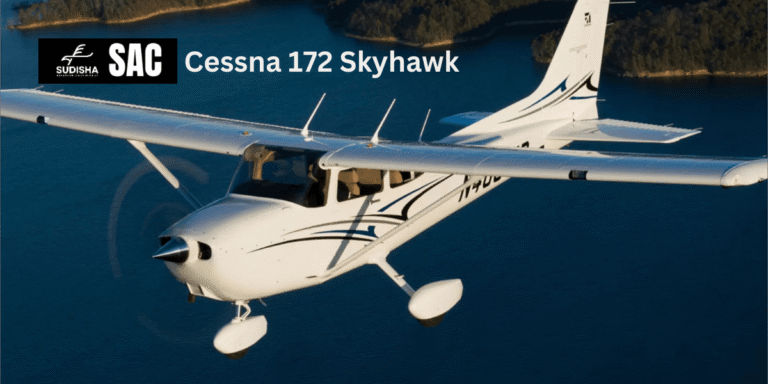
Table of Contents Have you ever dreamed of soaring through the skies as a pilot? ✈️ Whether you’re aspiring to become a commercial aviator or simply want to experience the thrill of flight, choosing the right aircraft for your training is crucial. With so many options available, from the classic Cessna 172 Skyhawk to the modern Diamond DA40 Star, finding the perfect plane can be a daunting task. But fear not! In this comprehensive guide, we’ll explore the best aircraft for pilot training, considering factors like ease of flight, safety features, and fuel efficiency. We’ll take you on a journey through popular single-engine trainers, multi-engine options, and even advanced training aircraft. Along the way, you’ll discover why the Cessna 172 has been a global favorite for decades and how newer models like the Cirrus SR22 are revolutionizing pilot education with cutting-edge technology. So, buckle up and prepare for takeoff as we dive into the world of training aircraft. From the factors you need to consider when choosing your ideal plane to the latest technological advancements in the field, we’ve got you covered. Let’s explore how the right aircraft can make all the difference in your journey to becoming a skilled and confident pilot! 🛩️   Factors to Consider When Choosing a Training Aircraft Flight characteristics and Reliability When selecting a training aircraft, it’s crucial to consider flight characteristics and reliability. The aircraft should provide stable and predictable handling, allowing student pilots to develop their skills effectively. Safety features are paramount, ensuring a secure learning environment. Reliability is also key, as consistent performance aids in building confidence and competence. Cost-effectiveness and Availability Cost-effectiveness plays a significant role in aircraft selection for training purposes. Balancing operational costs with training efficiency is essential. Availability and maintenance are equally important factors, as regular access to well-maintained aircraft ensures uninterrupted training schedules. With these factors in mind, next, we’ll explore popular single-engine trainers that exemplify these qualities.   Popular Single-Engine Trainers Now that we’ve covered the factors to consider when choosing a training aircraft, let’s explore some popular single-engine trainers. These aircraft are widely used in flight schools and offer excellent platforms for pilot training. Cessna 172 Skyhawk Most popular single-engine aircraft Four-seat capacity Cruise speed of 125 mph Range of 675 miles Stable and forgiving, ideal for training Good visibility and slow landing speed Piper PA-28 Cherokee Rugged and versatile Comfortable cabin Impressive range Suitable for training and cross-country flights Diamond DA40 Modern avionics Excellent fuel efficiency High airspeed Safety features for forgiving training environment Cirrus SR20 Innovative safety features (Cirrus Airframe Parachute System) Modern avionics Composite construction With these single-engine trainers in mind, next, we’ll explore multi-engine training options for pilots looking to advance their skills and certifications.   Multi-Engine Training Options Now that we’ve covered single-engine trainers, let’s explore multi-engine options. These aircraft are crucial for pilots advancing their careers. The Piper PA-44 Seminole stands out as a leading multi-engine training aircraft, boasting a cruising speed of 186 knots. It’s widely used in FAA-approved FAR 141 multi-engine programs, ensuring high-quality education. Other popular choices include the Diamond DA42 Twin Star and Beechcraft Baron. These aircraft help pilots master complex skills like managing asymmetric thrust during engine failures and optimizing performance in various scenarios. With this foundation, we’ll next examine advanced training aircraft for those progressing further in their aviation careers.   Advanced Training Aircraft Now that we’ve covered multi-engine training options, let’s explore advanced training aircraft. These sophisticated machines are designed for pilots seeking to enhance their skills and transition to more complex aircraft. Turboprop options Turboprop aircraft like the Pilatus PC-12 offer an excellent platform for advanced training. They provide a bridge between piston-engine aircraft and jets, allowing pilots to familiarize themselves with turbine engines and more advanced avionics systems. FlightSafety offers comprehensive training programs for turboprops, focusing on energy management and crew resource management. Light jet trainers Light jets serve as an ideal stepping stone for pilots transitioning to larger commercial aircraft. These aircraft require type ratings, which involve rigorous ground school, simulator training, and practical tests. The process typically takes two to six weeks, ensuring pilots are proficient in handling the complexities of jet aircraft operations. Military trainer adaptations Military training aircraft, such as the T-6 Texan II and T-38 Talon, have been adapted for civilian use. These high-performance aircraft provide excellent platforms for developing advanced flying skills, including aerobatics and formation flying. They offer a taste of military-style training for civilian pilots seeking to push their abilities to the next level. As we move forward, we’ll explore how technological advancements are shaping the future of training aircraft, enhancing both safety and efficiency in pilot education.   Technological Advancements in Training Aircraft Glass cockpit integration Now that we’ve covered advanced training aircraft, let’s explore the technological advancements revolutionizing pilot training. Glass cockpits have transformed modern aircraft, integrating digital displays and advanced avionics. These systems provide real-time data, enhancing situational awareness and decision-making skills for trainee pilots. Flight simulation capabilities Flight simulators have evolved significantly, offering highly realistic training environments. These advanced systems allow pilots to: Practice in safe, controlled settings Experience a wide range of scenarios Develop critical skills without the risks associated with actual flight With this technological foundation, we’ll next examine how to choose the right aircraft for different training stages.   Choosing the Right Aircraft for Different Training Stages Now that we’ve explored technological advancements in training aircraft, let’s examine how to select the appropriate aircraft for various stages of pilot training. Different phases require specific aircraft capabilities to ensure optimal learning experiences. Ab initio training For beginners, aircraft like the Cessna 172 and Piper PA-28 are ideal due to their: Stability and forgiving nature Good visibility Slow landing speeds Cost-effectiveness These features allow novice pilots to develop fundamental skills in a safe, controlled environment.   Choosing the best aircraft for pilot training depends on various factors, including the training stage, budget, and specific skills to be developed. From popular single-engine trainers like the Cessna

What is the best aircraft for pilot training? Read More »

CAAN

LIST OF SCHOOL VALIDATED BY CAA NEPAL FOR PILOT TRAINING.

Are you dreaming of soaring through the skies as a pilot in Nepal? 🛫 Start your journey with the right flight school. With many options, how do you choose the best? Schools Validated by CAA Nepal for Pilot Training stand out. Since 1957, the Civil Aviation Authority of Nepal (CAAN) has ensured the safety and efficiency of aviation in Nepal. They set the gold standard for pilot training, and only the best schools make the cut. Choosing Schools Validated by CAA Nepal for Pilot Training sets you up for a successful aviation career. Wondering which schools have earned CAAN’s approval? 🤔 You’re in luck! This post reveals the list of Schools Validated by CAA Nepal for Pilot Training, explores their benefits, and guides you through enrollment. Whether you aim for a Private Pilot License or dream of becoming an airline captain, we have the information you need to launch your aviation career. Ready to take the first step? Let’s dive in!   Understanding CAA Nepal’s Role in Pilot Training Overview of Civil Aviation Authority of Nepal The Civil Aviation Authority (CAA) of Nepal plays a crucial role in aviation training and regulation. You’ll find that the CAA offers various training programs, including basic and advanced courses for Air Traffic Services and Aerodrome Rescue and Fire Fighting. They also provide specialized training for aviation personnel and induction programs for new staff. Importance of CAA validation for flight schools CAA validation is essential for flight schools in Nepal. When you choose a CAA-validated school, you’re ensuring that your training meets both national and international standards. These schools are committed to safety, efficiency, and producing qualified personnel for the civil aviation sector. With CAA validation, you can be confident in the quality of your pilot training and its recognition within the industry. Aspect CAA Validated Schools Non-Validated Schools Quality Standards Meet national and international requirements May not meet all standards Training Recognition Widely recognized in the industry Limited recognition Safety Emphasis High priority on safety protocols Varied safety standards With this understanding of CAA Nepal’s role, let’s explore the “Benefits of Attending CAA Nepal Validated Schools” in the next section. Benefits of Attending CAA Nepal Validated Schools Now that we’ve covered CAA Nepal’s role in pilot training, let’s explore the advantages of choosing validated schools. You’ll find assured quality training that complies with international standards, enhancing your career prospects. A. Assured quality of training B. Compliance with international standards C. Recognition of qualifications abroad Benefit Description Quality CAA-validated schools offer rigorous, standardized training Compliance Programs align with global aviation requirements Recognition Your qualifications are more likely to be accepted internationally With these benefits in mind, next, we’ll examine the list of CAA Nepal Validated Flight Schools to help you make an informed decision.   List of CAA Nepal Validated Flight Schools Now that we’ve explored the benefits of attending CAA Nepal validated schools, let’s look at the options available to you. CAA Nepal offers validation to both domestic and international flight schools, ensuring high-quality training programs. A. Domestic flight schools Civil Aviation Academy of Nepal B. International flight schools with CAA Nepal validation Click here to access the “List of Schools Validated by CAA Nepal for Pilot Training”. Keep in mind, this list isn’t static—it keeps changing! For the latest updates, please contact us or visit CAA Nepal’s official website. With this comprehensive list in mind, next, we’ll guide you through the steps to enroll in a CAA Nepal validated flight school.   Steps to Enroll in a CAA Nepal Validated Flight School Researching and selecting a school Now that you’ve seen the list of CAA Nepal validated flight schools, it’s time to take the next step. Research each school thoroughly, considering factors like location, cost, and program offerings. Compare their facilities, aircraft fleet, and instructor qualifications to find the best fit for your goals. Application process Once you’ve chosen a school, prepare your application materials. Typically, you’ll need to submit academic transcripts and a valid medical certificate. Remember, you must be at least 17 years old and have completed high school to begin pilot training in Nepal. Requirement Details Age 17+ years Education High school diploma (+2) Medical Valid certificate Language English proficiency How Sudisha Aviation Consultant can help you choose the right Flight Schools Sudisha Aviation Consultant (SAC) can be your guiding light in this process. They assist aspiring pilots in obtaining their No Objection Certificate (NOC) from CAAN and help you make informed decisions about your aviation career. Their expertise ensures you’re well-prepared for your journey into the skies. As you embark on this exciting journey, remember to thoroughly research your options, understand the requirements, and carefully consider your career goals. Whether you aspire to become a commercial airline pilot, a flight instructor, or pursue other aviation opportunities, the foundation you build at a CAA Nepal validated school will serve you well. Take the next step towards your future in aviation by exploring the listed schools and beginning the enrollment process today. Your path to becoming a skilled and certified pilot starts here!   Looking for more insights? Check out these related articles that dive deeper into the exciting world of aviation and career opportunities. Pilot Training Programs 5 Hidden Benefits of a Bachelor’s in Commercial Flying Pilot Training – Private & Professional I Airline Assessment Qualification Program (Job Interview Guaranteed) Types of Pilot’s Licenses – A Comprehensive Guide to FAA, EASA, TC, SACAA, CAAP, CAAN & Beyond. A day in the Life of Commercial Pilot. FAQ If you found this post helpful, don’t forget to share it with friends, family, or anyone who might benefit from this information. We’d love to hear from you! Share your thoughts, questions, or feedback in the comments below, and we’ll be happy to assist.

LIST OF SCHOOL VALIDATED BY CAA NEPAL FOR PILOT TRAINING. Read More »

BS in Commercial Flying Majors

5 Hidden Benefits of a Bachelor’s in Commercial Flying

Have you ever wondered if pursuing a Bachelor’s in Commercial Flying is worth the time and investment? While traditional Commercial Pilot License (CPL) programs may seem like a faster route to the cockpit, a bachelor’s degree in this field offers hidden benefits that can propel your aviation career to new heights. 🚀 Imagine yourself not just as a pilot, but as a well-rounded aviation professional with enhanced career prospects and a competitive edge in the industry. A Bachelor’s in Commercial Flying goes beyond the basics of flight training, equipping you with comprehensive skills, networking opportunities, and personal growth that regular CPL programs simply can’t match. 🎓✈️ Curious about what these hidden benefits are? In this blog post, we’ll unveil five surprising advantages of earning a Bachelor’s in Commercial Flying that you might not have considered. From expanded career opportunities to additional qualifications, you’ll discover why this degree could be your ticket to a more rewarding and versatile aviation career. Let’s take off and explore these benefits together! 1. Enhanced Career Opportunities A. Access to diverse aviation roles When you pursue a bachelor’s in commercial flying, you’re not just limiting yourself to the cockpit. Your degree opens doors to a variety of aviation roles. You’ll find opportunities in commercial airlines, cargo operations, and even specialized flying services. This diversity allows you to explore different aspects of the aviation industry and find your niche. B. Faster career progression With a bachelor’s degree in commercial flying, you’re positioning yourself for accelerated career growth. Airlines often prioritize candidates with formal education, giving you a competitive edge. Your comprehensive understanding of aviation principles and practices can help you climb the ranks faster, potentially leading to senior pilot positions or management roles within the industry. C. Higher earning potential One of the most appealing aspects of a career in commercial flying is the attractive salary package. As you gain experience and advance in your career, your earning potential increases significantly. Here’s a brief overview of potential earnings: Experience Level Potential Annual Salary Range Entry-level $50,000 – $80,000 Mid-career $80,000 – $150,000 Senior level $150,000 – $300,000+ D. Global job market access Your bachelor’s in commercial flying is your passport to a global career. The aviation industry operates worldwide, offering you opportunities to work for international airlines or in different countries. This global access not only enhances your career prospects but also allows you to: Experience diverse cultures Travel extensively Work in dynamic environments Meet people from all walks of life With a commercial pilot degree, you’re not just learning to fly; you’re preparing for a career that can take you around the world. The demand for pilots is increasing globally, with countries like India projected to need over 17,000 new pilots by 2028. This growing demand ensures job security and abundant opportunities for those with the right qualifications. Now that we’ve explored the enhanced career opportunities a bachelor’s in commercial flying can offer, let’s delve into the comprehensive skill development you’ll gain through this degree program. This next section will highlight how your education goes beyond just flying skills, equipping you with a versatile skill set for success in the aviation industry. 2. Comprehensive Skill Development Now that we’ve explored enhanced career opportunities, let’s delve into the comprehensive skill development a bachelor’s in commercial flying offers you. You’ll gain advanced technical knowledge and practical flight experience, honing your abilities in: Skill Area Description Crew resource management Enhance teamwork and communication Aviation law and regulations Master industry rules and standards Emergency procedures Develop crucial safety competencies Your education will equip you with a blend of theoretical understanding and hands-on experience, preparing you for the complexities of modern aviation. As you cultivate these skills, you’ll also be building a foundation for networking advantages, which we’ll explore next. 3. Networking Advantages Now that we’ve covered comprehensive skill development, let’s explore the networking advantages of pursuing a bachelor’s in commercial flying. You’ll find that these programs offer invaluable opportunities to build industry connections. Industry connections through faculty Your professors aren’t just educators; they’re often industry veterans with extensive networks. You’ll benefit from their experience and connections, potentially opening doors to future career opportunities. Many programs, like those at Embry-Riddle Aeronautical University, boast distinguished faculty who can provide insights into the aviation industry. Alumni network benefits Benefit Description Career support Access to job postings and career advice Mentorship Guidance from experienced professionals Industry events Opportunities to attend conferences and meetups Internship opportunities Your degree program will likely facilitate internships, giving you hands-on experience and the chance to build professional relationships. For example, Purdue’s School of Aviation and Transportation Technology collaborates with global industry leaders, ensuring internship opportunities align with current market needs. With these networking advantages in mind, next, we’ll explore how pursuing a bachelor’s in commercial flying contributes to your personal growth and development. 4. Personal Growth and Development Now that we’ve explored networking advantages, let’s dive into how a bachelor’s in commercial flying fosters personal growth. You’ll find that this degree not only enhances your aviation skills but also develops you as an individual. Improved decision-making abilities Critical for safety and effective piloting Developed through complex problem-solving scenarios Enhanced communication skills Crucial for interacting with crew, passengers, and ground staff Honed through team exercises and public speaking assignments Increased self-discipline Essential for meeting rigorous training schedules Cultivated through time management and goal-setting practices Multicultural exposure Valuable for working in diverse aviation environments Gained through international flight simulations and cultural studies Skill Benefit Decision-making Safer flight operations Communication Improved teamwork and customer service Self-discipline Better career progression Cultural awareness Enhanced global opportunities With these personal growth aspects in mind, you’ll be well-prepared for the additional qualifications and certifications that await in your aviation journey. 5. Additional Qualifications and Certifications Now that we’ve explored personal growth through flying, let’s delve into the additional qualifications and certifications you can earn with a bachelor’s in commercial flying. Your degree program will equip you with essential ratings and licenses, enhancing your career prospects.

5 Hidden Benefits of a Bachelor’s in Commercial Flying Read More »

Pilot Traning

Your 2025 Guide to becoming a pilot!

In 2025, the aviation industry is more exciting than ever, offering aspiring pilots not just a career, but a thrilling lifestyle filled with adventure and opportunities. However, with rapidly evolving technology and changing industry demands, you might be wondering: So, how do I become a pilot in this dynamic landscape? Becoming a pilot may seem daunting, but it’s more accessible than you think. Whether you’re a recent high school graduate or making a career change, the aviation sector offers not only lucrative but also fulfilling opportunities, from commercial airlines to private charters and emergency services. However, success requires knowing how to navigate this complex industry and positioning yourself effectively for the future. The Path to Becoming a Pilot in 2025 Essential qualifications & prerequisites To embark on your journey to become a pilot in 2025, you’ll need to meet certain qualifications and prerequisites. These include: Aviation authorities in different countries have their own specific requirements. In Nepal, the Civil Aviation Authority of Nepal (CAAN) sets the standards. For the most up-to-date information, please reach out to Sudisha Aviation Consultant. Training programs and flight schools You have several options for pilot training: Licensing requirements and certifications To become a commercial pilot, you’ll need to obtain various licenses and certifications: Technological advancements in pilot training In 2025, you’ll benefit from cutting-edge technology in your pilot training: With these advancements, you’ll be well-prepared to navigate the modern aviation landscape and start your exciting career as a pilot. Commercial Airline Opportunities The commercial airline sector continues to be a primary destination for aspiring pilots. In fact, with the global air travel market rebounding, airlines are not only expanding their operations but also actively recruiting skilled pilots to meet the growing demand. Moreover, this presents an excellent opportunity for those entering the field. To provide clarity, here’s a breakdown of the commercial airline landscape: Airline Type Opportunities Salary Range (USD) Major Airlines Domestic and international routes $80,000 – $200,000+ Regional Airlines Short-haul flights, feeder routes $40,000 – $80,000 Low-cost Carriers Point-to-point routes $50,000 – $120,000 Emerging Markets and Global Demand As you look to the future, consider the emerging markets that are shaping global aviation demand: Enhancing Your Pilot Career Now that you’ve embarked on your journey as a pilot, it’s important to note that the next step is focusing on elevating your career to new heights. To that end, let’s explore some key strategies that not only enhance your professional trajectory but also position you for long-term success in the aviation industry. Furthermore, these strategies will help you stay ahead in this competitive field. Building Flight Hours and Experience Building flight hours is crucial for advancing your career. Here are some ways to accumulate valuable experience: Specializations and Additional Ratings Expanding your skill set can open doors to new opportunities. Consider these specializations: Specialization Benefits Instrument Rating Allows flying in low visibility conditions Multi-Engine Rating Qualifies you for larger aircraft Type Ratings Necessary for specific aircraft models Aerobatic Rating Enhances handling skills and marketability Continuous Education and Skill Development Stay ahead in your career by continuously updating your knowledge and skills: By focusing on these areas, you’ll not only be well-positioned to navigate the evolving aviation landscape but also secure lucrative opportunities in the industry. In addition, we’ll address some of the challenges you might face in your aviation career and furthermore, discuss effective strategies to overcome them. Ultimately, this will help you build a successful and fulfilling career in aviation. Embracing Sustainable Aviation Practices Sustainability is no longer optional in aviation. You’ll need to familiarize yourself with: Preparing for Space Tourism and Commercial Space Flight Space tourism is becoming a reality. To stay competitive, consider: FAQ Conclusion Embarking on a career as a pilot in 2025 offers exciting opportunities as well as challenges. Therefore, remember to continuously enhance your skills, stay adaptable to overcome industry challenges, and ultimately future-proof your career to remain competitive. Moreover, as you prepare to unlock the skies, keep in mind that the aviation industry is constantly evolving. Thus, stay informed about emerging technologies, regulations, and market trends so that you can position yourself as a valuable asset in the field. Whether you choose to pursue commercial aviation, private charters, or even specialized flying roles, your journey as a pilot promises adventure, growth, and above all, the potential for a rewarding career. So, take the first step today and soar towards your dreams in the world of aviation. Looking for more insights? Check out these related articles that dive deeper into the exciting world of aviation and career opportunities. If you found this post helpful, don’t forget to share it with friends, family, or anyone who might benefit from this information. We’d love to hear from you! Share your thoughts, questions, or feedback in the comments below, and we’ll be happy to assist.

Your 2025 Guide to becoming a pilot! Read More »

A day in a life of Commercial Pilot

A Day in the Life of a Commercial Pilot

Have you ever gazed up at the sky, marveling at the sleek silhouette of a commercial aircraft soaring overhead, and wondered what it’s like to be in the cockpit, commanding such a marvel of modern engineering? The life of a commercial pilot is a captivating blend of Adventure, Responsibility, and the sheer Thrill of Flight. Join us as we delve into a typical day in the life of a commercial pilot, and explore the fascinating world of aviation from the Captain’s Seat. Early Rise & Preparation: The day of a commercial pilot begins long before the first light of dawn, as they rise early to ensure they are well-rested and mentally prepared for the day ahead. Safety is paramount in aviation, and according to the Federal Aviation Administration (FAA), fatigue is a significant concern for pilots. To combat this, pilots adhere to strict duty time regulations and prioritize adequate rest to perform their duties safely and effectively. Pre-Flight Checks and Briefings: Before each flight, pilots meticulously inspect the aircraft, review maintenance logs, and participate in pre-flight briefings with the flight crew. These briefings cover essential information such as the route, weather conditions, and any other factors that may impact the flight, ensuring that the entire crew is well-prepared for the journey ahead. Takeoff and Climb: With engines roaring and adrenaline pumping, the aircraft accelerates down the runway, lifting off into the sky. Takeoff and climb are critical phases of flight, and commercial pilots undergo extensive training to master these maneuvers. According to the International Air Transport Association (IATA), commercial aircraft typically cruise at altitudes ranging from 31,000 to 38,000 feet, where they achieve optimal fuel efficiency and navigate through the sky with precision. Cruise and Navigation: Once at cruising altitude, pilots settle into the rhythm of the flight, relying on advanced navigation systems such as GPS to plot their course. According to the Bureau of Transportation Statistics (BTS), commercial pilots fly an average of 56 hours per month, covering vast distances across domestic and international routes. In-Flight Operations and Communication: During the flight, pilots continuously monitor aircraft systems, weather conditions, and communicate with air traffic control. Effective communication is vital for ensuring the safety and efficiency of the flight, and pilots undergo rigorous training in radio communication procedures and cockpit resource management to enhance their situational awareness and decision-making skills. Descent and Landing: As the flight nears its destination, pilots prepare for descent and landing, carefully navigating through airspace and coordinating with air traffic control. Landing a commercial aircraft requires precision and skill, with pilots accounting for factors such as wind speed, runway conditions, and aircraft weight. The National Transportation Safety Board (NTSB) highlights that most aviation accidents occur during the approach and landing phase, underscoring the importance of thorough training and adherence to standard operating procedures. Post-Flight Procedures and Debriefings: Upon landing, pilots conduct post-flight checks and debriefings to review the flight’s performance. This collaborative process allows pilots to learn from each experience and enhance their skills for future flights. Additionally, pilots complete post-flight paperwork and documentation, ensuring compliance with regulatory requirements. In conclusion, the life of a commercial pilot is a thrilling journey filled with challenges, adventures, and opportunities for growth. From the early morning preparations to the exhilarating moments in the sky, each day offers new experiences and lessons for pilots to embrace. By prioritizing safety, professionalism, and continuous learning, commercial pilots play a crucial role in connecting people and cultures worldwide, making aviation a truly remarkable industry to be a part of. Looking for more insights? Check out these related articles that dive deeper into the exciting world of aviation and career opportunities. If you found this post helpful, don’t forget to share it with friends, family, or anyone who might benefit from this information. Together, we can inspire more people to take to the skies!

A Day in the Life of a Commercial Pilot Read More »

Nepalese Pilot

Transforming Nepalese Students into Aviation Pros with SAC!

Are you dreaming of soaring through the skies but feel grounded by confusion and uncertainty? For many Nepalese students, the path to becoming an aviation professional can seem like a daunting journey filled with turbulence. But what if there was a way to transform that confusion into unwavering confidence? Enter Sudisha Aviation Consultant, your beacon of hope in the vast world of aviation education. 🌟 This extraordinary organization is revolutionizing the way Nepalese students approach their aviation dreams, turning aspirations into achievements. With a unique blend of expert guidance, tailored training programs, and unwavering support, SAC is the co-pilot you’ve been searching for on your flight to success. In this article post, we’ll take you on a journey through Sudisha Aviation Consultant’s transformative approach. Fasten your seatbelts as we prepare for takeoff into a world where dreams take flight and Nepalese students become aviation pros! Understanding Sudisha Aviation Consultant’s Approach: Decoding the Aviation Industry for Nepalese students SAC breaks down complex aviation concepts, making them accessible to Nepalese students. Through comprehensive resources and expert guidance, students gain a clear understanding of industry standards, career paths, and global opportunities. Tailored guidance for individual career goals Career Path – SAC’s Approach Pilots: Personalized flight training plans Engineers: Tailored technical curriculum Mechanics: Hands-on workshop experiences SAC recognizes that each student’s aspirations are unique. They offer customized advice, helping students align their strengths with specific aviation roles, ensuring a perfect fit for their career goals. Overcoming Common Challenges in Aviation Education A. Navigating complex admission processes SAC simplifies the intricate admission process for Nepalese students. They provide step-by-step guidance, from choosing the right program to completing paperwork. Their expertise ensures students avoid common pitfalls and meet all requirements. B. Managing financial constraints Scholarships: Reduced tuition costs Payment plans: Flexible fee structure Part-time work: Additional income SAC offers innovative solutions to address financial challenges. They help students explore scholarship opportunities, negotiate payment plans, and find part-time work options to support their aviation education journey. Contact SAC for more details.  SAC’s Unique Training Programs Sudisha Aviation Consultant (SAC) offers an exceptional range of aviation study programs tailored for Nepalese students, with strong partnerships across Canada, the USA, the Philippines, South Africa and Ireland. These partnerships allow us to provide students with access to diverse and top-tier aviation courses, from pilot training to aircraft maintenance. SAC is actively expanding its network to include even more destinations worldwide, ensuring we always offer the best opportunities and study environments for aspiring aviation professionals from Nepal. Discover our Exclusive Aviation Programs Our unique programs include the Ab Initio Pilot Training, which takes students from no flight experience to a Commercial Pilot License (CPL). For those seeking airline-ready skills, the AAQ Program integrates foundational training with advanced airline preparation, enabling students to qualify for airline roles immediately after training. The Bachelor of Science in Aviation with a Major in Commercial Flying in the Philippines offers both a CPL and a bachelor’s degree, expanding career prospects. Another standout is the BS in Aircraft Maintenance Technology (AMT) – Pathway to Canada, which combines studies in the Philippines and Canada, allowing students to gain work experience and credentials for a future in Canada. Our Aircraft Maintenance Engineer (AME) Category ‘M’ (Maintenance) program provides a head start toward the AME license, recognized by Transport Canada. SAC also offers comprehensive degrees and diplomas in Aircraft Maintenance Technology, Aeronautical Engineering, Avionics Technology, and Tourism Management for future flight attendants—highly valued in the aviation sector. For a complete list, please visit the following pages: Pilot Training Programs Aircraft Maintenance & Aeronautical Engineering Programs  Each of these programs represents SAC’s commitment to equipping Nepalese students with the qualifications, practical skills, and industry connections needed to thrive in global aviation. Building Confidence Through Mentorship One-on-one coaching sessions SAC’s personalized coaching sessions empower students with tailored guidance, addressing individual challenges and fostering self-assurance. Experienced mentors provide invaluable industry insights, helping students navigate their aviation journey confidently. Peer support networks – Benefits of Peer Support Shared experiences Mutual encouragement Collaborative learning SAC facilitates peer networks, creating a supportive community where students can: Exchange knowledge Practice communication skills Build lasting professional relationships These connections boost confidence and prepare students for successful aviation careers. Stay connected and informed! Join our group to connect with peers, exchange valuable insights, and keep up-to-date. Follow our social media pages by clicking the links below Facebook Page | Facebook Group | Instagram Page | TikTok | LinkedIn Transforming Dreams into Reality A. Placement assistance in top airlines SAC excels in helping Nepalese students secure positions with leading airlines. Our extensive network and industry connections open doors to exciting opportunities. We provide personalized guidance, resume crafting, and interview preparation to ensure our students stand out in the competitive aviation job market. B. Internship opportunities with industry partners Partner Type – Benefits Airlines: Hands-on experience Airports: Network building MROs: Skill development We collaborate with various aviation entities to offer valuable internships, giving students practical exposure and a competitive edge in their careers. The SAC Advantage High success rate in student placements SAC boasts an impressive track record of placing Nepalese students in top aviation roles. Their tailored approach ensures students are well-prepared for the industry’s demands, resulting in a high success rate. Strong industry connections Industry Partners – Benefits Airlines: Job opportunities Training centers: Advanced learning Aviation bodies: Networking SAC’s extensive network opens doors for students, providing: Internship opportunities Industry exposure Mentorship from professionals Sudisha Aviation Consultant stands as a beacon of hope for Nepalese students aspiring to soar in the aviation industry. Through their comprehensive approach, unique training programs, and dedicated mentorship, they transform confusion into confidence, equipping students with the skills and knowledge needed to excel in this dynamic field. By addressing common challenges and providing tailored support, SAC ensures that each student’s journey from novice to aviation professional is both smooth and successful. As you embark on your aviation career, consider partnering with Sudisha Aviation Consultant to unlock your full potential. Their proven track record of transforming dreams into reality and their commitment to student success make them an invaluable resource in your journey.

Transforming Nepalese Students into Aviation Pros with SAC! Read More »

Scroll to Top