
EASA Licence

AMT in 2025

Aircraft Maintenance & Aeronautical Engineering Studies

Have you ever dreamed of soaring through the skies, not only as a passenger, but as the mastermind behind the machines that make flight possible? If so, Aircraft Maintenance & Aeronautical Engineering could be your path to achieving that dream. Welcome to the thrilling world of Aircraft Maintenance and Aeronautical Engineering Studies! It’s a world where cutting-edge technology meets meticulous precision, and where your passion for aviation can truly take flight. However, let’s face it – the path to becoming an aircraft maintenance expert or aeronautical engineer isn’t always smooth. You might be wondering: How do I get started? What qualifications do I need? And is there even a future in this field? These questions can feel overwhelming, and might leave you grounded before you even begin. But don’t worry! We’re about to embark on a journey that will demystify this exciting career path and show you how to spread your wings in the aviation industry. In this comprehensive guide to Aircraft Maintenance and Aeronautical Engineering Studies, we’ll navigate through the essentials of aircraft maintenance, explore EASA licenses, dive into core aeronautical engineering concepts, and uncover the myriad of career opportunities awaiting you. Furthermore, we’ll look at the education and training requirements, as well as exciting technological advancements, and the challenges and trends shaping the future of aviation. Understanding Aircraft Maintenance Importance of Regular Maintenance Regular aircraft maintenance is crucial for ensuring the safety and reliability of aircraft operations. You must understand that proper maintenance not only extends the lifespan of an aircraft but also prevents costly breakdowns and potential accidents. Moreover, by adhering to a strict maintenance schedule, you can identify and address issues before they escalate, ultimately saving time and resources. Types of Aircraft Inspections As an aviation professional, you should be familiar with the various types of aircraft inspections: Each type of inspection serves a specific purpose and is conducted at different intervals. Here’s a breakdown of the inspection types and their frequencies: Inspection Type Frequency Purpose Pre-flight Before each flight Quick check of essential systems Post-flight After each flight Identify any issues that occurred during flight Routine Weekly or monthly Thorough examination of aircraft components Scheduled Based on flight hours or time Comprehensive check and replacement of parts Major overhaul Every few years Complete disassembly and inspection of the aircraft Safety Regulations and Compliance You must always prioritize safety regulations and compliance in aircraft maintenance. First, familiarize yourself with the guidelines set by aviation authorities such as EASA (European Union Aviation Safety Agency) and FAA (Federal Aviation Administration). By adhering to these regulations, you ensure that your maintenance practices not only meet industry standards but also contribute to overall aviation safety. Tools and Equipment Used in Aircraft Maintenance To perform aircraft maintenance effectively, you’ll need to master the use of various specialized tools and equipment. Some essential items include: By understanding the importance of maintenance, types of inspections, safety regulations, and the tools involved, you’ll be well-prepared to ensure the airworthiness of aircraft under your care. Next, we’ll explore the various EASA licences that are crucial for professionals in the field of aircraft maintenance. EASA Licences Introduction to EASA Licences Now that you understand the basics of aircraft maintenance, let’s explore EASA licences. These certifications, issued by the European Union Aviation Safety Agency (EASA), are crucial for anyone looking to pursue a career in aircraft maintenance within Europe and many other countries worldwide. Types of EASA Licences EASA offers several types of licences, each tailored to specific areas of aircraft maintenance. Here’s a breakdown of the main licence categories: Licence Type Description Category A Line maintenance certifying mechanic Category B1 Maintenance technician (mechanical) Category B2 Maintenance technician (avionics) Category C Base maintenance certifying engineer Mathematics Physics Electrical Fundamentals Electronic Fundamentals Digital Techniques/Electronic Instrument Systems Examinations and Practical Experience Obtaining your EASA licence involves more than just studying. You’ll need to: Pass theoretical examinations for each module Gain practical experience in aircraft maintenance Complete a logbook documenting your hands-on training With these requirements met, you’ll be well on your way to becoming a certified aircraft maintenance professional. Next, we’ll explore the exciting career opportunities available in the aviation industry. For Scheme 1 & 2 : Part-66 Aircraft Maintenance Licence (AML) – B1 and B2 categories with the other group 1 Aircraft, Please Click Here.  Core Concepts in Aeronautical Engineering Aerodynamics and Flight Mechanics As you delve into aeronautical engineering, understanding aerodynamics and flight mechanics is crucial. These principles govern how aircraft interact with the air around them, enabling flight. You’ll explore concepts such as lift, drag, and thrust, which are fundamental to aircraft performance. Aircraft Structures and Materials Next, you’ll discover the importance of aircraft structures and materials. This area focuses on designing and constructing aircraft that are both strong and lightweight. You’ll learn about various materials used in aircraft construction, from traditional aluminum alloys to advanced composites. Propulsion Systems Moving on to propulsion systems, you’ll study how aircraft generate the power needed for flight. This includes different types of engines, such as: Turbofan Turbojet Turboprop Piston engines Avionics and Control Systems Avionics and control systems are at the heart of modern aircraft operation. You’ll explore the electronic systems that enable navigation, communication, and flight control. This includes: Flight management systems Autopilot systems Navigation equipment Communication systems Aircraft Design Principles Finally, you’ll learn about aircraft design principles, which integrate all these concepts into a cohesive whole. This involves balancing various factors to create efficient and safe aircraft. Design Factor Consideration Performance Speed, range, fuel efficiency Safety Structural integrity, redundancy Comfort Passenger amenities, noise reduction Cost Manufacturing and operational expenses Understanding these core concepts will provide you with a solid foundation in aeronautical engineering, preparing you for the challenges and innovations in the aviation industry. Career Opportunities in Aviation Aircraft Maintenance Technician Roles As an aircraft maintenance technician, you’ll play a crucial role in ensuring the safety and airworthiness of aircraft. Your responsibilities may include: Performing routine inspections Troubleshooting mechanical issues Repairing or replacing faulty components Conducting

Aircraft Maintenance & Aeronautical Engineering Studies Read More »

Pilot's Licence Blog

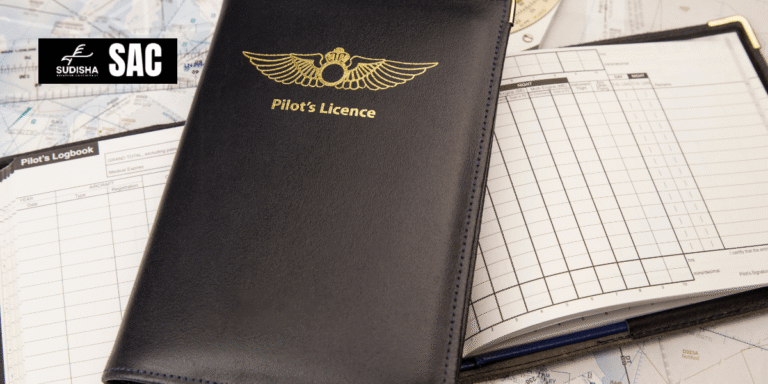
Types of Pilot’s Licenses – A Comprehensive Guide to FAA, EASA, TC, SACAA, CAAP, CAAN & Beyond.

Embarking on a career as a pilot involves navigating through various types of pilot’s licence systems worldwide, each tailored to specific aviation authorities and their unique standards. Every country has its own aviation regulations, making it essential to understand the types of pilot’s licence offered and their respective requirements. This guide sheds light on major aviation authorities like the FAA, EASA, Transport Canada (TC), SACAA, CAAP, and CAAN, focusing on the most recognized licensing systems. From private pilot licenses to advanced airline transport certifications (ATPL), understanding the types of pilot’s licence is a critical step in aligning your training with career goals. While this guide highlights a selection of prominent licensing authorities, it’s worth noting that each country sets its own rules, and exploring the right type of pilot’s licence for your aspirations is key to success. Federal Aviation Administration (FAA) – Types of Pilot’s licence The Federal Aviation Administration (FAA) is the aviation authority of the United States and is widely recognized globally. FAA pilot licenses are structured as follows: Each license has specific requirements for flight hours, ground training, and practical tests. The FAA also issues various ratings, including: FAA pilot’s license are known for their flexibility and are accepted in many countries. However, conversion may be necessary when flying under different jurisdictions. Learn more about FAA pilot licenses European Union Aviation Safety Agency (EASA) – Types of Pilot’s licence EASA oversees aviation safety in the European Union and associated countries. Their licenses follow a slightly different structure: EASA licenses are known for their stringent theoretical knowledge requirements. They also include various ratings similar to the FAA system. One unique aspect of EASA licensing is the concept of frozen ATPL, where pilots can start working for airlines after completing their CPL, IR, and ATPL theory, with the ATPL becoming unfrozen after accumulating sufficient flight hours. Explore EASA pilot licensing Transport Canada (tc) – Types of Pilot’s licence Transport Canada is responsible for regulating aviation in Canada. Their licensing system is similar to the FAA’s: Canadian licenses are well-regarded internationally and offer some unique advantages, such as the ability to fly in remote and challenging environments. Discover Transport Canada pilot licenses Civil Aviation Authority of the Philippines (CAAP) – Types of Pilot’s licence CAAP oversees aviation in the Philippines, offering licenses that comply with international standards: CAAP licenses are gaining recognition globally, with the Philippines becoming an increasingly popular destination for flight training due to favorable weather conditions and lower costs. Learn about CAAP pilot licenses South African Civil Aviation Authority (SACAA) – Types of Pilot’s licence The SACAA regulates aviation in South Africa, offering a licensing system that aligns with international standards: South African pilot licenses are recognized for their high standards and the diverse flying conditions pilots experience during training. Explore SACAA pilot certification Civil Aviation Authority of Nepal (CAAN) – Types of Pilot’s licence CAAN regulates aviation in Nepal, offering a licensing system that includes: Flying in Nepal presents unique challenges due to its mountainous terrain, making CAAN-licensed pilots highly skilled in mountain flying techniques. Discover CAAN pilot licensing If you’re looking to convert your license to CAAN, Sudisha Aviation Consultant (SAC) is here to guide you through every step of the process. Contact SAC for more details. Comparing Pilot Licenses While the basic structure of pilot licenses is similar across different authorities, there are notable differences: It’s essential to consider these differences when choosing where to obtain your pilot license, especially if you plan to work internationally. Choosing the right country and pilot training program can be overwhelming for aspiring pilots. Sudisha Aviation Consultant (SAC), provides expert guidance to help you make an informed decision on the best path for your aviation career. Contact SAC for more details and assistance. License Conversion Process Converting a pilot license from one authority to another often involves: The difficulty of conversion varies depending on the authorities involved. For example, converting between FAA and Transport Canada (TC) licenses is relatively straightforward due to bilateral agreements. If you’re looking to convert your license to CAAN, Sudisha Aviation Consultant (SAC) is here to guide you through every step of the process. Contact SAC for more details. International Aviation Standards The International Civil Aviation Organization (ICAO) sets global aviation standards, which most national authorities aim to meet or exceed. This alignment helps in creating a degree of uniformity in pilot licensing worldwide. However, it’s important to note that meeting ICAO standards doesn’t automatically mean a license will be accepted by all authorities. Always check the specific requirements of the country where you intend to fly. Conclusion Navigating the types of pilot’s licenses can be complex, but understanding the differences between major aviation authorities like FAA, EASA, Transport Canada (TC), SACAA, CAAP, and CAAN is crucial for a successful aviation career. Each system has its strengths and unique aspects, reflecting the diverse needs of aviation around the world. Whether you’re just starting your journey as a private pilot or aiming for an airline transport pilot license, choosing the right licensing path can significantly impact your career opportunities. Consider factors like where you want to work, the type of flying you want to do, and the potential for license conversion when making your decision. Remember, aviation is a global industry, and the skills you develop as a pilot are valued worldwide. Stay informed about international aviation standards and licensing requirements to make the most of your pilot career. We encourage you to explore further resources on pilot licensing and to connect with Sudisha Aviation Consultant (SAC), experienced pilots and flight schools to guide you on your aviation journey. The sky’s the limit! Looking for more insights? Check out these related articles that dive deeper into the exciting world of aviation and career opportunities. If you found this post helpful, don’t forget to share it with friends, family, or anyone who might benefit from this information. We’d love to hear from you! Share your thoughts, questions, or feedback in the comments below, and we’ll

Types of Pilot’s Licenses – A Comprehensive Guide to FAA, EASA, TC, SACAA, CAAP, CAAN & Beyond. Read More »

Scroll to Top