Compass Test

What is COMPASS™ ?

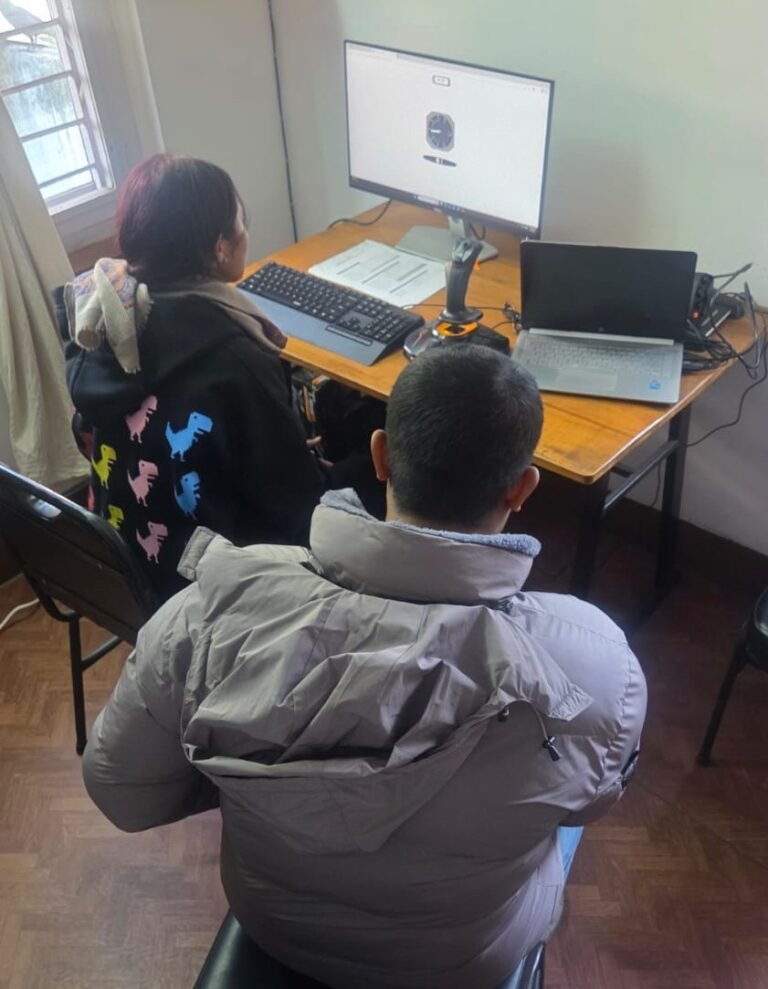
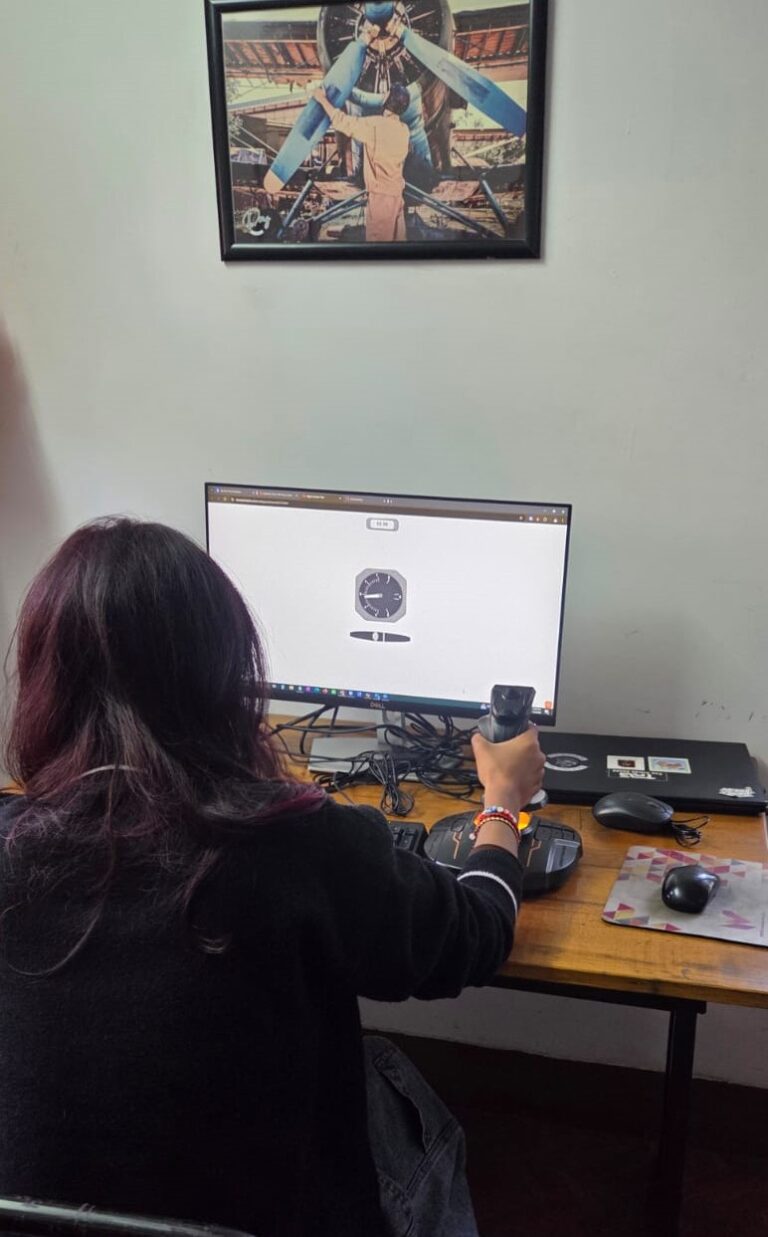
Are you considering a career in aviation or looking to advance your pilot career? You’ve probably heard about the COMPASS™ system – a crucial assessment tool that can make or break your aviation journey. But what exactly is it, and why does it matter so much to flight training organizations and airlines worldwide? The COMPASS™ system goes beyond just evaluating your technical abilities. It dives deep into your aptitudes, personality traits, and potential for success in the demanding world of aviation. Whether you’re a fresh candidate hoping to begin flight training or an experienced pilot aiming for career advancement, understanding this comprehensive assessment tool is essential for your success. In this blog post, we’ll explore the COMPASS™ system in brief.  The COMPASS™ (COMputerized Pilot Aptitude Screening System) is an advanced selection and screening tool specifically designed for the aviation industry. You’ll find this system widely used by Flight Training Organizations (FTOs) and airlines to identify candidates who possess the necessary skills for commercial aviation careers. COMPASS™ eliminates the traditional subjective evaluation methods by implementing standardized, computer-based tests that ensure all candidates are assessed on identical skill sets. COMPASS evaluates pilot competencies according to IATA guidelines through a comprehensive series of tests.  More than 250,000 COMPASS™ seletion tests have demonstrated a reduction in the failure rate for flight traning, leading to significant time and cost savings by minimizing the need for additional traning. When utilized in conjuctionn witha standardized simulator assessment, COMPASS™ can help bring the number of candidates failing their flight traning to nearly zero.  COMPASS International B.V. Types of COMPASS™ Assessments A. Standard COMPASS™ for new candidates If you’re an ab-initio pilot (one with no previous flying experience), you’ll encounter the Standard COMPASS™ assessment. This version includes the COMPASS – Basic coordination test, which evaluates your cognitive abilities and potential adaptability to pilot training. Many airlines and flight training schools use this test as part of their selection process for cadet programs. When you take this assessment, you’ll be evaluated on your capacity to handle training challenges before making significant financial and personal investments in your pilot career. B. Advanced COMPASS™ for experienced pilots For those of you who already have flying experience, the Advanced COMPASS™ assessment features the COMPASS – Coordination test. This version is specifically tailored to evaluate your existing skills and potential for adapting to new airline procedures. Various airlines utilize this assessment when selecting experienced pilots for positions, ensuring you have the cognitive capabilities to meet their specific operational standards. C. COMPASS™ Personality Profile The COMPASS™ Personality Profile (CPP) is a psychometric component of the assessment system that evaluates your personality traits relevant to pilot performance. This assessment helps determine how well you might fit into the aviation environment and predict your success in training. The profile examines various aspects of your personality that correlate with effective pilot behavior and decision-making capabilities. Flight Stick FLIGHT STICK T.16000M FCS Model Rudder Pedals What to Expect During Your COMPASS Test   When you arrive at the test center, ensure you bring a valid government ID (preferably a passport). The assessor will begin with a welcome briefing and guide you through the process. Test Overview:Duration: Approximately 2 hoursModules: 6 total (Orientation, Control, Slalom, Task Manager, Mathematics, and Memory)Practice Rounds: Each module includes explanations and 2 practice attempts before the actual test.Time Limits: Some sections (e.g., Mathematics, Orientation) are timed. A yellow square on the screen will indicate this. Important Notes:✔ Read instructions carefully—once you click “NEXT,” you cannot go back.✔ No keyboard use during explanations.✔ Adjust the pedals and joystick for comfort before starting.✔ If any issues arise, notify the assessor immediately—delays may prevent assistance later. Provided Materials:✔Blank paper (for math calculations)✔Math reference table✔Translation list (if applicable) After COMPASS:If only taking COMPASS, you’ll pause before the technical test (CPP).CPP Test: 225 personality-based statements (45 minutes). Answer instinctively—don’t overthink!Aviation English Test (if applicable): Assesses reading/listening skills. The assessor will brief you before starting.   Prepare thoroughly and stay focused during your test. For the latest updates and detailed information, contact Sudisha Aviation Consultants (SAC). Need quick answers? WhatsApp us at +977 9823756630 – we’re always happy to chat! 😊 Understanding Your COMPASS™ Test Results Passing Requirements:To succeed in the COMPASS™ test, candidates must:✔ Score minimum 23 points (22 or below = fail)✔ Meet all 6 red thresholds on the printed report (falling below any = fail) What You’ll Receive:– Copy of your COMPASS™ results– CPP personality report (with explanation) Other Test Requirements:✈️ Technical Test: – Answer 10/15 questions correctly to pass– Can retry anytime after failing 🧠 CPP Personality Assessment:– PASS: Minor/Some concerns– FAIL: Serious concerns Aviation English:– Score 4+/7 points per test section Important Notes:⏳ Validity: All test results remain valid for 1 year🔄 Retakes:– COMPASS™ fail → Retry after 3 months.– 2nd COMPASS™ fail → Selection process ends. (Airlines and ATOs holds final authority – Aviation authorities like CAAN (Nepal) or FAA (USA) have general guidelines for retesting after failures in pilot exams, but these do not specifically govern COMPASS™ since it’s a pre-selection tool, not a licensing exam) Details may be updated periodically – for latest information, please check with SAC. Need help interpreting your results? Our team is happy to explain! 🚀 Service Fees The fees for assessment services are as follows:COMPASS Test: €50.00 (Fifty Euros) per attempt (includes Tech Test and English Language Assessment)COMPASS Personality Test (CPP): €50.00 (Fifty Euros) per attemptAdvanced COMPASS Test: €50.00 (Fifty Euros) per attempt Important Notes:• All listed fees are exclusive of applicable local taxes/VAT Fees are subject to change. For the most current pricing, please contact Sudisha Aviation Consultants (SAC). Conslusion The COMPASS™ system offers comprehensive assessment tools designed to identify the most suitable candidates for flight training and aviation careers. From the basic COMPASS™ for beginners to Advanced COMPASS™ for experienced pilots, and the detailed Personality Profile that evaluates 15 key competencies, these assessments provide valuable insights into a candidate’s aptitude and potential for success in the aviation industry. The new Pre-COMPASS™ web-based tool further enhances the selection process by helping organizations efficiently

What is COMPASS™ ? Read More »

What is the Compass Test conducted by CAA Nepal?

The COMPASS (Computerized Pilot Aptitude Screening System) Are you dreaming of soaring through the skies as a pilot in Nepal? 🛫 Your journey to the cockpit begins with the COMPASS Test, a crucial evaluation conducted by the Civil Aviation Authority of Nepal (CAA Nepal). This computerized assessment is designed to measure your aptitude and potential as a future aviator. Wondering what the COMPASS Test entails and how to prepare? You’re not alone. Many aspiring pilots find themselves puzzled by this critical step in their career path. But fear not! In this blog post, we’ll demystify the COMPASS Test, breaking down its structure, content, and preparation strategies. Whether you’re an ab-initio pilot or an experienced flyer looking to advance your career, understanding this test is essential for your success in the competitive world of aviation. Get ready to embark on an informative journey as we explore the ins and outs of the COMPASS Test. We’ll guide you through its components, share effective preparation techniques, and even reveal how SAC can support you in acing this crucial assessment. So fasten your seatbelts and prepare for takeoff – your path to becoming a pilot in Nepal starts here! 🚀 Understanding the COMPASS Test A. Definition and purpose of COMPASS in aviation The COMPASS (Computerized Pilot Aptitude Screening System) test is a crucial assessment tool used by the Civil Aviation Authority of Nepal (CAAN) to evaluate aspiring pilots’ aptitude and readiness for aviation careers. This computerized exam is designed to measure your potential in various areas essential for successful pilot training and performance. The primary purposes of the COMPASS test in aviation are: B. Components of the COMPASS exam The COMPASS exam consists of several key components that test different aspects of your abilities: C. Importance for aspiring airline pilots As an aspiring airline pilot, the COMPASS test is of utmost importance to your career. Here’s why: By thoroughly preparing for the COMPASS test, you’ll be taking a significant step towards your goal of becoming an airline pilot. Familiarize yourself with the exam structure, practice sample problems, and utilize available study resources to maximize your performance. Now that we have covered the fundamentals of the COMPASS test, let’s delve deeper into its structure and content in the next section. Understanding the specific components and question types will further enhance your preparation strategy. COMPASS Test Structure and Content Now that we’ve explored the fundamentals of the COMPASS Test, let’s delve into its structure and content. Understanding these aspects will help you better prepare for this crucial assessment in your journey to becoming a pilot. A. Subject areas covered The COMPASS Test evaluates your proficiency in three primary subject areas: These subjects form the foundation of the knowledge and skills required for successful pilot training. Your aptitude in these areas will be thoroughly assessed to determine your readiness for the challenges ahead. B. Types of questions The COMPASS Test employs two main question formats to evaluate your abilities: This combination allows for a comprehensive assessment of both your knowledge recall and your ability to articulate complex concepts. You’ll encounter a mix of these question types across all subject areas. C. Assessment of critical thinking and problem-solving skills Beyond mere factual knowledge, the COMPASS Test is designed to evaluate your higher-order thinking abilities. You’ll be challenged to demonstrate: These skills are crucial for effective aircraft control and operational decision-making. The test will present you with scenarios that require you to apply your knowledge in practical, real-world contexts. Remember, the COMPASS Test isn’t just about what you know—it’s about how you think. You’ll need to showcase your ability to analyze complex situations, make sound judgments, and solve problems efficiently. These are all essential skills for a successful career in aviation. As you prepare for the COMPASS Test, keep in mind that it’s designed to be challenging. The airlines and aviation academies use this assessment to identify candidates with the highest potential for success in flight training. Your performance on this test can significantly impact your chances of being selected for pilot programs. With this understanding of the COMPASS Test structure and content, you’re now better equipped to approach your preparation strategically. In the next section, we’ll explore effective strategies to help you excel in this critical assessment and take a significant step towards your dream of becoming a pilot. Preparation Strategies for COMPASS Now that we’ve covered the structure and content of the COMPASS test, let’s explore effective preparation strategies to help you succeed in this crucial assessment. A. Familiarization with exam topics and structure To excel in the COMPASS test, it’s essential that you thoroughly familiarize yourself with its topics and structure. The test evaluates various competencies, including: By understanding these components, you can tailor your preparation to address each area effectively. Remember, the test exists in two versions: one for ab-initio pilots and another for experienced pilots, so ensure you’re focusing on the correct version for your situation. B. Practice with sample problems and online tests One of the most effective ways to prepare for the COMPASS test is through consistent practice. You can: These platforms offer valuable tools to enhance your skills in multitasking, reaction speed, and spatial orientation. They also typically include reasoning tests covering deductive and inductive logic, numerical reasoning, and mechanical reasoning. C. Utilization of study guides and instructional support To complement your practice, make use of comprehensive study materials and support: Additionally, focus on developing a study plan that covers aviation terminology and technical principles. This structured approach will help you systematically address all aspects of the COMPASS test. With these preparation strategies in mind, next, we’ll examine how COMPASS tests are specifically used in pilot selection processes, providing you with a comprehensive understanding of their role in your aviation career journey. COMPASS Tests for Pilot Selection Now that we’ve covered preparation strategies for COMPASS, let’s delve into how these tests are specifically used for pilot selection. A. Versions for ab-initio and experienced pilots COMPASS offers tailored versions to assess

What is the Compass Test conducted by CAA Nepal? Read More »

Scroll to Top