
Aviation

How AI Will Revolutionize Air Travel by 2025

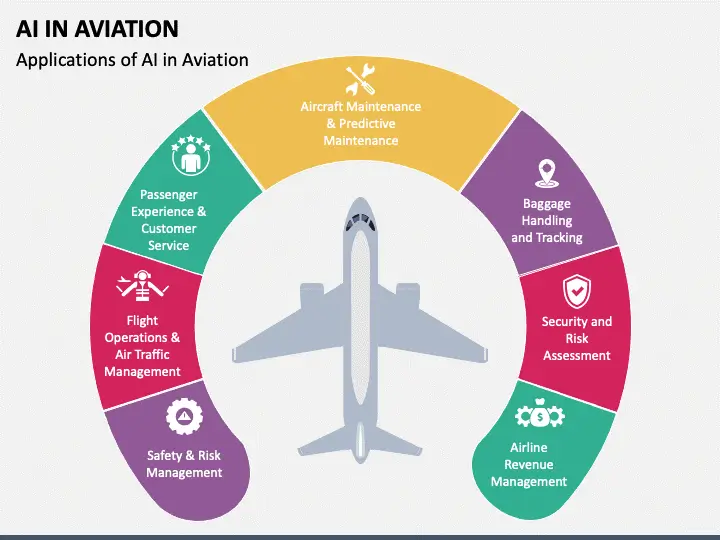
Table of Contents Estimated reading time: 7 minutes Imagine stepping into an airport where AI knows your preferences before you even arrive. Picture a world where flight delays are a rarity, security checks are seamless, and your in-flight experience is tailored just for you. This isn’t science fiction—it’s the future of air travel, and it’s closer than you think. 🚀✈️ By 2025, artificial intelligence is set to revolutionize every aspect of our journey through the skies. From AI-powered booking assistants that curate the perfect itinerary to predictive maintenance systems that ensure your flight’s safety, the transformation is already underway. But here’s the kicker: this AI revolution isn’t just about convenience—it’s projected to save the aviation industry up to $15 billion annually by 2035, potentially reducing your ticket prices and carbon footprint in one fell swoop. In this post, we’ll explore how AI will reshape air travel, from the moment you book your ticket to the second you collect your luggage. We’ll dive into AI-driven innovations in booking and check-in processes, enhanced security measures, efficient air traffic control, personalized in-flight experiences, predictive maintenance for improved safety, and streamlined baggage handling. Fasten your seatbelts—we’re about to take off into the future of flying! 🛫   AI-Powered Booking and Check-In   Personalized travel recommendations AI-powered booking systems are revolutionizing air travel by offering personalized recommendations. Tools like SmarterTravel.ai and Destinations.ai analyze user preferences to generate tailored itineraries, enhancing the travel planning experience. These systems consider factors such as budget, destination preferences, and travel style to suggest flights, accommodations, and activities that best suit individual needs.   Seamless reservation process The integration of AI in the reservation process streamlines bookings and reduces errors. Automated systems like those used by Expedia and KAYAK offer customized searches and real-time seat selection optimization. This technology not only simplifies the booking process but also allows for dynamic packaging, creating personalized travel experiences by bundling services based on individual preferences. With this enhanced efficiency, we’ll next explore how AI is transforming airport security.   Enhanced Airport Security Now that we’ve explored AI-powered booking and check-in, let’s delve into how artificial intelligence is revolutionizing airport security. The Transportation Security Administration (TSA) is actively integrating AI to enhance screening processes and improve overall safety. Facial recognition for faster screening Facial recognition technology is being introduced at over 80 airports, with plans to expand to more than 400. This biometric verification system offers a more secure alternative to traditional methods, ensuring only authorized personnel access sensitive areas. AI-driven threat detection systems AI optimizes video monitoring by delivering real-time alerts for security threats, transforming passive surveillance into proactive security measures. Key benefits include: Improved perimeter protection Enhanced baggage screening Rapid detection of potential hazards on runways Intelligent baggage scanning Machine learning algorithms are being utilized to improve luggage screening by automating the detection of prohibited items. This innovation reduces the workload for security officers and expedites passenger processing. Predictive crowd management AI plays a crucial role in managing crowd dynamics and reducing wait times. By analyzing data in real-time, AI systems can filter out non-threatening items, potentially accommodating up to 900 individuals per hour through security checkpoints. With these advancements in airport security, we’ll now explore how AI is revolutionizing air traffic control for more efficient and safer skies.   Efficient Air Traffic Control Now that we’ve covered enhanced airport security, let’s explore how AI is revolutionizing air traffic control. AI-assisted flight path optimization AI technologies are transforming air traffic management by optimizing flight paths and improving operational efficiency. Key advancements include: Decision Support Systems for real-time data analysis Automated Conflict Detection systems Traffic Prediction and Management tools These AI-powered solutions enable controllers to proactively analyze flight data, optimize routes, and mitigate congestion, resulting in fewer delays and enhanced safety. Weather prediction and route adjustments AI-driven weather forecasting is improving flight routing to avoid adverse conditions. This technology, combined with predictive analytics, allows for: Forecasting flight patterns and delays Optimizing routes to reduce fuel consumption Enhancing collaborative decision-making among stakeholders As we move forward, these advancements in air traffic control will seamlessly integrate with the next phase of the passenger journey: a personalized in-flight experience.   Personalized In-Flight Experience Now that we’ve explored how AI enhances air traffic control, let’s delve into its impact on the passenger experience. AI is revolutionizing in-flight services, offering unprecedented personalization and convenience.   AI-powered entertainment systems AI analyzes passenger preferences to curate tailored content recommendations, similar to Delta’s personalized in-flight entertainment. This enhances user engagement and satisfaction during flights. Customized meal and service preferences Airlines leverage AI to: Analyze passenger data Predict individual preferences Offer personalized meal options and services Virtual assistants for passenger inquiries AI-powered chatbots, like KLM’s BlueBot, provide 24/7 assistance, answering queries and streamlining the travel experience. Real-time language translation AI facilitates seamless communication between passengers and crew, breaking down language barriers and enhancing overall comfort. With AI transforming the in-flight experience, next, we’ll explore how it’s revolutionizing aircraft maintenance and safety protocols.   Predictive Maintenance and Safety Now that we’ve explored personalized in-flight experiences, let’s delve into how AI is revolutionizing aircraft maintenance and safety. AI-driven aircraft diagnostics AI-powered systems analyze real-time data from aircraft sensors, enabling proactive identification of potential issues. This technology enhances safety by detecting anomalies before they become critical problems. Proactive maintenance scheduling AI optimizes maintenance schedules by: Analyzing historical data Predicting equipment failures Minimizing unscheduled maintenance Reducing operational bottlenecks and delays With AI improving aircraft reliability and safety, the next logical step is to examine how it streamlines baggage handling processes.   Streamlined Baggage Handling Now that we’ve explored how AI enhances aircraft safety through predictive maintenance, let’s turn our attention to another crucial aspect of air travel: baggage handling. AI is set to revolutionize this often-stressful part of the journey, making it more efficient and reliable. AI-powered tracking systems AI-enabled baggage systems are transforming luggage management, offering real-time updates to passengers. Major U.S. carriers have already implemented digital tracking, allowing travelers to monitor their bags throughout

How AI Will Revolutionize Air Travel by 2025 Read More »

The Ultimate Guide to Landing a Cabin Crew Job in 2025

Table of Contents Ready for takeoff? The sky’s the limit for your cabin crew career in 2025! ✈️ Are you dreaming of a dynamic career that combines travel, customer service, and adventure? Look no further than the exciting world of cabin crew! As we approach 2025, the aviation industry is soaring to new heights, with unprecedented opportunities for aspiring flight attendants. From established airlines expanding their fleets to newcomers like Riyadh Air shaking up the market, there’s never been a better time to set your sights on the skies. But here’s the catch: with great opportunity comes fierce competition. How can you stand out from the crowd and land your dream cabin crew job? Don’t worry, we’ve got you covered! In this ultimate guide, we’ll walk you through everything you need to know to transform your aviation aspirations into reality. From mastering the application process to acing your interview and assessment day, we’ll equip you with the insider knowledge and strategies to make your career take flight. So fasten your seatbelt and get ready for an exhilarating journey towards your future in the clouds! 🌟 Understanding the Cabin Crew Role in 2025 Evolving responsibilities As a future cabin crew member in 2025, you’ll face new challenges in an ever-changing aviation landscape. Your role will expand beyond traditional duties, encompassing: Enhanced health and safety protocols Proficiency in new aviation technologies Advanced conflict resolution skills Cultural sensitivity for diverse passengers New technology in aviation You’ll need to adapt to cutting-edge technology in aircraft operations and passenger services. This includes mastering digital platforms for passenger assistance and staying updated on the latest in-flight entertainment systems. With these evolving responsibilities in mind, next, we’ll explore the essential qualifications and skills you’ll need to thrive in this dynamic environment. Essential Qualifications and Skills Now that we’ve explored the cabin crew role in 2025, let’s dive into the essential qualifications and skills you’ll need to succeed in this dynamic field. A. Educational requirements To pursue a career as a cabin crew member, you’ll typically need a minimum educational qualification of 10+2. This foundational education sets the stage for your aviation journey. B. Language proficiency Strong communication skills are crucial, with proficiency in English being a primary requirement. Many airlines also value multilingual abilities to cater to diverse passengers. C. Physical fitness standards Airlines have specific physical requirements, including: Age range: Usually between 18-27 years Height: Typically 155 cm for females and 165 cm for males Good vision D. Soft skills for success You’ll need to develop essential soft skills such as: Customer service excellence Effective communication Teamwork and collaboration Problem-solving abilities Resilience and adaptability E. Technical knowledge Understanding safety protocols, first aid, and service standards is crucial. You’ll gain this knowledge through initial training programs lasting 3-6 months, followed by continuous learning to stay updated on industry best practices. With these qualifications and skills in mind, the next step is preparing a standout application that showcases your potential as a cabin crew member. Preparing a Standout Application Now that we’ve covered the essential qualifications and skills for a cabin crew position, let’s focus on preparing a standout application that will catch recruiters’ attention. Crafting an attention-grabbing resume Your resume is your first opportunity to make a lasting impression. Tailor it to highlight relevant skills and experiences that align with the airline’s values. Emphasize your customer service expertise, language proficiencies, and any certifications like first-aid training. Remember to showcase your adaptability and teamwork abilities, as these are crucial in the aviation industry. Writing a compelling cover letter Your cover letter should complement your resume by providing more context to your qualifications. Research the specific airline thoroughly and reflect their brand values in your writing. For instance, if applying to Virgin Atlantic, emphasize your friendliness and creativity. Demonstrate your understanding of the cabin crew role and how your skills make you an ideal candidate. Building a professional online presence In today’s digital age, your online presence can significantly impact your application. Ensure your social media profiles reflect professionalism and align with the airline’s grooming standards. Consider creating a LinkedIn profile that showcases your relevant experiences and skills. Gathering strong references Strong references can set you apart from other candidates. Choose references who can speak to your customer service skills, ability to work under pressure, and teamwork capabilities. These could be former employers, colleagues, or mentors who have observed your work ethic firsthand. With your standout application prepared, you’re now ready to navigate the application process. This next step will involve submitting your materials and potentially participating in preliminary assessments. Navigating the Application Process Now that you’ve prepared a standout application, it’s time to navigate the application process effectively. Here’s how you can strategically approach this crucial phase: A. Researching airlines and their hiring practices Start by thoroughly investigating different airlines and their specific hiring requirements. You’ll want to: Explore official airline websites for job postings Check online job platforms specializing in aviation careers Follow airlines on social media for hiring announcements B. Timing your application strategically Timing is crucial when applying for cabin crew positions. Consider: Peak hiring seasons in the aviation industry Aligning your application with airline expansion plans Submitting your application early in the recruitment cycle C. Utilizing online job platforms Leverage online resources to boost your chances: Create profiles on aviation-specific job boards Set up job alerts for cabin crew positions Use professional networking sites to connect with industry insiders D. Networking in the aviation industry Building connections can give you a competitive edge: Attend aviation industry events and job fairs Join professional associations for flight attendants Engage with current cabin crew members for insights and advice With these strategies in place, you’ll be well-prepared to tackle the next crucial step: mastering the interview process. Mastering the Interview Now that you’ve navigated the application process, it’s time to master the interview. Here’s how you can shine: Common interview questions and answers You’ll likely face questions about: Your motivation for becoming a cabin crew member

The Ultimate Guide to Landing a Cabin Crew Job in 2025 Read More »

Scroll to Top