
How AI Will Revolutionize Air Travel by 2025

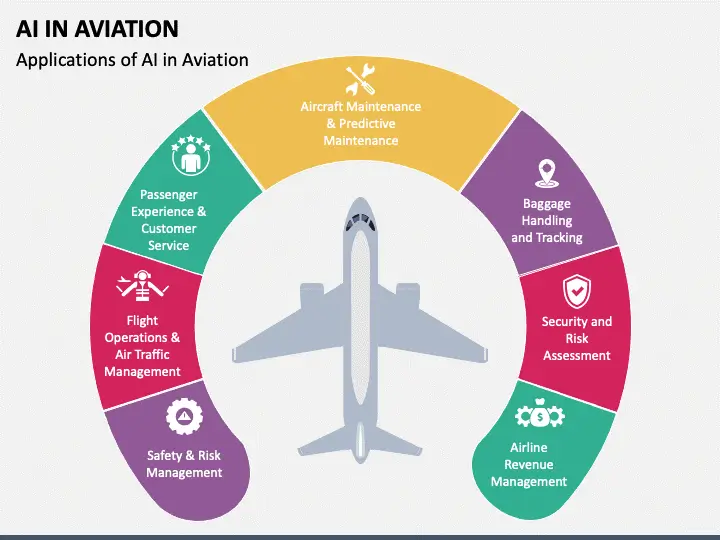
Table of Contents Estimated reading time: 7 minutes Imagine stepping into an airport where AI knows your preferences before you even arrive. Picture a world where flight delays are a rarity, security checks are seamless, and your in-flight experience is tailored just for you. This isn’t science fiction—it’s the future of air travel, and it’s closer than you think. 🚀✈️ By 2025, artificial intelligence is set to revolutionize every aspect of our journey through the skies. From AI-powered booking assistants that curate the perfect itinerary to predictive maintenance systems that ensure your flight’s safety, the transformation is already underway. But here’s the kicker: this AI revolution isn’t just about convenience—it’s projected to save the aviation industry up to $15 billion annually by 2035, potentially reducing your ticket prices and carbon footprint in one fell swoop. In this post, we’ll explore how AI will reshape air travel, from the moment you book your ticket to the second you collect your luggage. We’ll dive into AI-driven innovations in booking and check-in processes, enhanced security measures, efficient air traffic control, personalized in-flight experiences, predictive maintenance for improved safety, and streamlined baggage handling. Fasten your seatbelts—we’re about to take off into the future of flying! 🛫   AI-Powered Booking and Check-In   Personalized travel recommendations AI-powered booking systems are revolutionizing air travel by offering personalized recommendations. Tools like SmarterTravel.ai and Destinations.ai analyze user preferences to generate tailored itineraries, enhancing the travel planning experience. These systems consider factors such as budget, destination preferences, and travel style to suggest flights, accommodations, and activities that best suit individual needs.   Seamless reservation process The integration of AI in the reservation process streamlines bookings and reduces errors. Automated systems like those used by Expedia and KAYAK offer customized searches and real-time seat selection optimization. This technology not only simplifies the booking process but also allows for dynamic packaging, creating personalized travel experiences by bundling services based on individual preferences. With this enhanced efficiency, we’ll next explore how AI is transforming airport security.   Enhanced Airport Security Now that we’ve explored AI-powered booking and check-in, let’s delve into how artificial intelligence is revolutionizing airport security. The Transportation Security Administration (TSA) is actively integrating AI to enhance screening processes and improve overall safety. Facial recognition for faster screening Facial recognition technology is being introduced at over 80 airports, with plans to expand to more than 400. This biometric verification system offers a more secure alternative to traditional methods, ensuring only authorized personnel access sensitive areas. AI-driven threat detection systems AI optimizes video monitoring by delivering real-time alerts for security threats, transforming passive surveillance into proactive security measures. Key benefits include: Improved perimeter protection Enhanced baggage screening Rapid detection of potential hazards on runways Intelligent baggage scanning Machine learning algorithms are being utilized to improve luggage screening by automating the detection of prohibited items. This innovation reduces the workload for security officers and expedites passenger processing. Predictive crowd management AI plays a crucial role in managing crowd dynamics and reducing wait times. By analyzing data in real-time, AI systems can filter out non-threatening items, potentially accommodating up to 900 individuals per hour through security checkpoints. With these advancements in airport security, we’ll now explore how AI is revolutionizing air traffic control for more efficient and safer skies.   Efficient Air Traffic Control Now that we’ve covered enhanced airport security, let’s explore how AI is revolutionizing air traffic control. AI-assisted flight path optimization AI technologies are transforming air traffic management by optimizing flight paths and improving operational efficiency. Key advancements include: Decision Support Systems for real-time data analysis Automated Conflict Detection systems Traffic Prediction and Management tools These AI-powered solutions enable controllers to proactively analyze flight data, optimize routes, and mitigate congestion, resulting in fewer delays and enhanced safety. Weather prediction and route adjustments AI-driven weather forecasting is improving flight routing to avoid adverse conditions. This technology, combined with predictive analytics, allows for: Forecasting flight patterns and delays Optimizing routes to reduce fuel consumption Enhancing collaborative decision-making among stakeholders As we move forward, these advancements in air traffic control will seamlessly integrate with the next phase of the passenger journey: a personalized in-flight experience.   Personalized In-Flight Experience Now that we’ve explored how AI enhances air traffic control, let’s delve into its impact on the passenger experience. AI is revolutionizing in-flight services, offering unprecedented personalization and convenience.   AI-powered entertainment systems AI analyzes passenger preferences to curate tailored content recommendations, similar to Delta’s personalized in-flight entertainment. This enhances user engagement and satisfaction during flights. Customized meal and service preferences Airlines leverage AI to: Analyze passenger data Predict individual preferences Offer personalized meal options and services Virtual assistants for passenger inquiries AI-powered chatbots, like KLM’s BlueBot, provide 24/7 assistance, answering queries and streamlining the travel experience. Real-time language translation AI facilitates seamless communication between passengers and crew, breaking down language barriers and enhancing overall comfort. With AI transforming the in-flight experience, next, we’ll explore how it’s revolutionizing aircraft maintenance and safety protocols.   Predictive Maintenance and Safety Now that we’ve explored personalized in-flight experiences, let’s delve into how AI is revolutionizing aircraft maintenance and safety. AI-driven aircraft diagnostics AI-powered systems analyze real-time data from aircraft sensors, enabling proactive identification of potential issues. This technology enhances safety by detecting anomalies before they become critical problems. Proactive maintenance scheduling AI optimizes maintenance schedules by: Analyzing historical data Predicting equipment failures Minimizing unscheduled maintenance Reducing operational bottlenecks and delays With AI improving aircraft reliability and safety, the next logical step is to examine how it streamlines baggage handling processes.   Streamlined Baggage Handling Now that we’ve explored how AI enhances aircraft safety through predictive maintenance, let’s turn our attention to another crucial aspect of air travel: baggage handling. AI is set to revolutionize this often-stressful part of the journey, making it more efficient and reliable. AI-powered tracking systems AI-enabled baggage systems are transforming luggage management, offering real-time updates to passengers. Major U.S. carriers have already implemented digital tracking, allowing travelers to monitor their bags throughout

How AI Will Revolutionize Air Travel by 2025 Read More »