
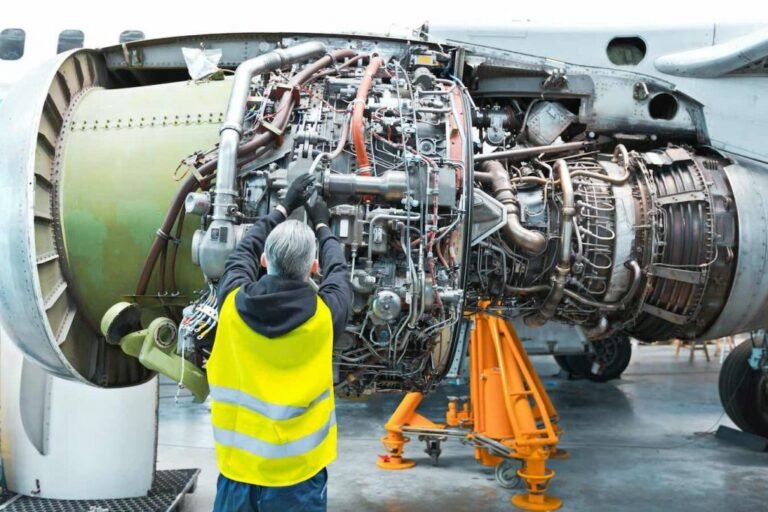
The Future of Aircraft Maintenance: 5 Jobs That Will Soar in 2025
Table of Contents Estimated reading time: 12 minutes As you fasten your seatbelt and prepare for takeoff, have you ever wondered about the future of aircraft maintenance? 🛩️ The aviation industry is soaring to new heights, and with it comes a revolution in how we keep our planes flying safely. By 2025, the skies will be buzzing with opportunities for tech-savvy professionals ready to take on the challenges of tomorrow’s aircraft maintenance. Imagine a world where drones inspect planes, technicians use augmented reality to diagnose issues, and 3D printers create replacement parts on demand. It’s not science fiction—it’s the reality that’s rapidly approaching. As the industry faces a critical shortage of skilled workers and grapples with increasingly complex technologies, your expertise could be the key to keeping millions of passengers safe and airlines competitive. Are you ready to elevate your career and be part of this exciting transformation? In this post, we’ll explore five cutting-edge jobs that will define the future of aircraft maintenance. From data analysts revolutionizing predictive maintenance to cybersecurity specialists protecting aircraft systems, these roles offer a glimpse into the high-flying careers of tomorrow. Buckle up as we take you on a journey through the evolution of aircraft maintenance and show you how you can position yourself to soar in this dynamic field. 🚀 The Evolution of Aircraft Maintenance Current state of aircraft maintenance In today’s aviation industry, you’ll find that aircraft maintenance plays a crucial role in ensuring safety, regulatory compliance, and operational efficiency. As an aircraft owner or operator, you’re facing several challenges in the current maintenance landscape: Rising costs of spare parts Longer lead times for manufacturing Technical labor shortages Strict regulatory requirements The COVID-19 pandemic has exacerbated these issues, particularly affecting supply chains and workforce availability. Despite these challenges, the industry is experiencing increased air traffic, which correlates with more intensive maintenance schedules due to higher flight hours. Technological advancements shaping the industry You’re about to witness a technological revolution in aircraft maintenance. Key advancements that will transform your maintenance practices include: Artificial Intelligence (AI) and automation: These technologies will revolutionize parts sourcing and procurement, allowing you to process hundreds or thousands of transactions efficiently. Predictive maintenance: By leveraging data analytics and machine learning, you’ll be able to identify potential issues before they escalate, reducing downtime and improving safety. Augmented Reality (AR) and Virtual Reality (VR): These tools will enhance technician training and enable quicker inspections and repairs. Drones: You’ll be able to conduct faster and safer inspections using drone technology. Shifting skillsets for maintenance professionals As the industry evolves, you’ll need to adapt your skillset to remain competitive. Here’s what you should focus on: Data analysis: Understanding and interpreting data from predictive maintenance systems will be crucial. Technological proficiency: Familiarize yourself with AR, VR, and drone technologies. Sustainability practices: Learn about eco-friendly materials and technologies to align with global carbon reduction efforts. Cybersecurity awareness: As aircraft systems become more connected, protecting against digital threats will be essential. With these advancements in mind, you’ll need to invest in continuous learning and training to keep pace with the rapidly changing landscape of aircraft maintenance. Now that we’ve covered the evolution of aircraft maintenance, let’s explore a specific role that’s set to soar in 2025: Data Analyst for Predictive Maintenance. This position will be critical in leveraging the technological advancements we’ve discussed to improve operational efficiency and safety in the aviation industry. Data Analyst for Predictive Maintenance Now that we’ve explored the evolution of aircraft maintenance, let’s dive into one of the most exciting emerging roles in the industry: Data Analyst for Predictive Maintenance. Importance of data-driven decision making In the world of aircraft maintenance, your ability to make informed decisions based on real-time data is becoming increasingly crucial. Intelligent predictive maintenance is transforming the industry by leveraging machine learning-driven data analysis to continuously monitor aircraft components and systems. This approach allows you to detect potential issues early, enabling proactive maintenance scheduling and avoiding costly downtimes. By embracing data-driven decision making, you can: Minimize unexpected breakdowns Enhance operational reliability Improve passenger satisfaction Achieve cost efficiencies Strengthen customer trust Key responsibilities and required skills As a Data Analyst for Predictive Maintenance, your role will be pivotal in ensuring the safety and efficiency of aircraft operations. Your key responsibilities will include: Analyzing real-time data from aircraft components and systems Identifying patterns and trends that may indicate potential failures Developing and implementing predictive models Collaborating with maintenance teams to schedule proactive repairs Optimizing maintenance schedules based on data insights To excel in this role, you’ll need a combination of technical and analytical skills, including: Proficiency in data analysis and machine learning techniques Understanding of aircraft systems and maintenance procedures Strong problem-solving abilities Excellent communication skills to convey complex insights to non-technical stakeholders Impact on aircraft reliability and cost-effectiveness By implementing predictive maintenance strategies, you’ll play a crucial role in revolutionizing aircraft reliability and cost-effectiveness. Your work will contribute to: Extending the lifespan of aircraft components Reducing direct maintenance expenses Minimizing indirect costs associated with operational disruptions Maximizing asset utilization Enhancing overall passenger experience Your data-driven insights will enable airlines to address issues before they develop into significant problems, ensuring uninterrupted service and upholding service quality. While the initial investment in data collection technologies and analytics tools may be substantial, the long-term savings and operational efficiency gains will be significant. As we look to the future, your role as a Data Analyst for Predictive Maintenance will continue to evolve with advancements in artificial intelligence and machine learning. These technologies will further enhance your ability to streamline asset management and maintenance processes, making vital information easily accessible for better decision-making. With this in mind, next, we’ll explore another exciting role in the future of aircraft maintenance: the Drone Inspection Specialist. This position will complement your work as a Data Analyst by providing additional data sources for your predictive models. Drone Inspection Specialist Now that we’ve explored the role of data analysts in predictive
The Future of Aircraft Maintenance: 5 Jobs That Will Soar in 2025 Read More »